
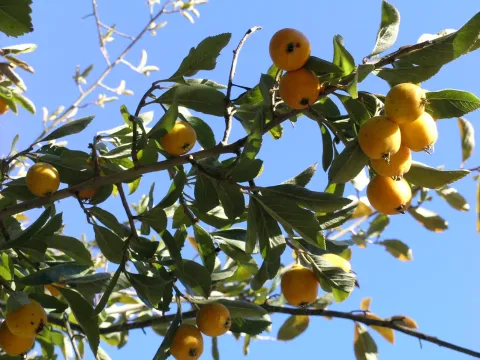
Graceful hawthorn
Crataegus gracilior
The graceful hawthorn (Crataegus gracilior) is a deciduous shrub that belongs to the Rosaceae family. It is recognized for its slender branches and refined form, often used in ornamental gardens for its unique aesthetic appeal and resilience in various landscapes.
What the section contains
Graceful hawthorn
Originating from the mountainous regions of North America, this species thrives in climates where seasonal variations are distinct. It is highly valued not only for its ornamental qualities but also as a hardy plant suitable for various soil stabilization and windbreak purposes.
Cultivation requires a location with full sunlight exposure to maintain the density of the foliage and ensure high-quality fruit development. While it is adaptable, it performs best in soils that are well-drained and slightly alkaline or neutral, avoiding heavy, waterlogged sites.
Agrotechnical practices emphasize proper spacing during planting to allow for sufficient air circulation. Regular pruning is necessary to maintain the plant's shape and to remove any crossed or damaged branches that could impede its growth or harbor pests.
Watering requirements are moderate; however, during the initial years of growth, it is crucial to provide consistent moisture to establish a robust root system. Once mature, the plant displays good drought tolerance, making it a low-maintenance choice for many gardeners.
Graceful hawthorn is susceptible to typical Rosaceae diseases, including powdery mildew and cedar-hawthorn rust. These fungal infections are more prevalent in areas with high humidity and poor air circulation, necessitating strategic planting and regular maintenance.
Common pests that affect this species include aphids, scale insects, and spider mites. These insects feed on the sap of young tissues, which can lead to leaf yellowing and stunted growth if left unmonitored during the active growing season.
Effective pest management involves regular scouting for early signs of infestation. Utilizing insecticidal soaps or horticultural oils can provide control against soft-bodied insects while minimizing environmental impact on beneficial garden species.
Cultural control remains the most sustainable approach to disease management. This includes the removal and disposal of diseased leaves and infected twigs during the dormant season to break the disease cycle and reduce inoculum levels.
Maintaining plant vigor through balanced fertilization and appropriate mulching strengthens the shrub's natural defense mechanisms, allowing it to better withstand environmental stresses and potential pest pressures throughout the year.