
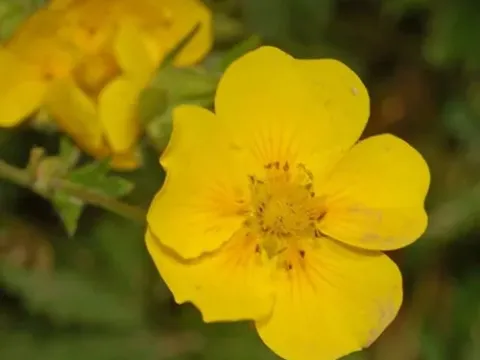
Potentilla delphinensis
Potentilla delphinensis
The sowing of Potentilla delphinensis seeds is most effective when performed in late autumn, allowing for natural winter stratification to break dormancy.
What the section contains
Potentilla delphinensis
For spring sowing, cold stratification in a refrigerator at temperatures between 2 and 5 degrees Celsius is essential for at least six weeks prior to planting.
Seeds should be sown very shallowly, barely covering them with a light layer of substrate, as they require light exposure to germinate effectively.
Using a seed tray with a well-draining potting mix is recommended to monitor moisture levels closely during the germination period in early spring.
Once seedlings emerge, they should be placed in a bright location to prevent legginess and encourage the development of a compact root system.
Potentilla delphinensis, belonging to the Rosaceae family, is a distinct mountain species that thrives best in high-altitude, open, and rocky environments.
Success in cultivation requires soil with excellent drainage; sandy or rocky loam compositions are preferred to prevent root rot in wetter seasons.
This species requires full sun exposure to maintain its characteristic growth habit and promote the formation of its delicate, aesthetic flowers.
The ideal soil pH for this plant is near-neutral or slightly alkaline, reflecting its natural habitat in alpine regions across the continent.
Watering should be balanced, as the plant is sensitive to both extreme drought and overly saturated soil conditions during the vegetative stage.
Fungal diseases such as root rot and powdery mildew are the most common threats, usually triggered by poor drainage or high humidity around the foliage.
Pests like aphids and spider mites can infest the plant, particularly in dry and hot conditions, necessitating early detection and intervention.
Maintaining proper spacing between plants is crucial to ensure airflow and reduce the likelihood of leaf diseases developing in dense clusters.
Regular sanitation of the planting site, including the removal of dead foliage, helps keep the plant healthy and prevents the spread of pathogens.
Organic insecticidal soaps can be used to manage mite populations without harming the surrounding beneficial insect population in the garden.
As an ornamental species, Potentilla delphinensis is cultivated primarily for its aesthetic value in rock gardens rather than for agricultural harvest.
Seed collection should be done once the capsules are fully mature and brown, ensuring that they are kept in a dry place to maintain viability.
The plants may benefit from gentle pruning after the flowering period to encourage a second flush of growth or to tidy up the plant's appearance.
Propagation through division is best performed during the plant's dormant period, allowing it time to establish roots before the heat of summer.
Gardeners use this species as a ground cover or a filler in sunny, well-drained spots where its unique botanical characteristics can be highlighted.