
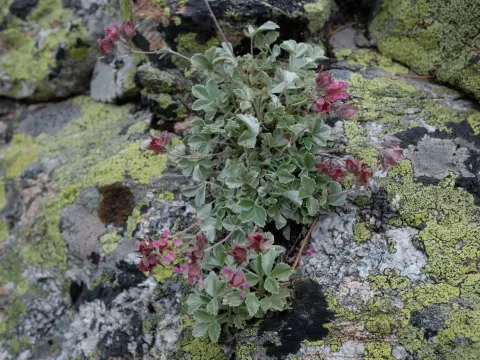
Potentilla divina
Potentilla divina
Potentilla divina belongs to the Rosaceae family and is recognized as a hardy perennial with significant potential for cultivation. It originates from temperate zones and adapts well to various landscapes, often being cultivated for both aesthetic and pharmacological purposes.
What the section contains
Potentilla divina
This crop prefers well-drained soil types, specifically loams or sandy loams that offer good aeration. Exposure to full sunlight is essential for the plant to reach its full development potential and to synthesize the necessary secondary metabolites for its various applications.
Agricultural practices for this species involve consistent soil preparation, including the application of organic matter to improve soil texture. The plant shows high tolerance to diverse soil pH levels, although neutral to slightly acidic environments are considered ideal for maximum biomass production.
Proper water management is critical; while the plant can withstand short periods of drought once established, regular moisture during the initial growth stages is vital for developing a strong root system. Irrigation should be adjusted based on local precipitation levels to avoid root saturation.
Due to its high winter hardiness, Potentilla divina is an excellent choice for northern and temperate climates. It requires minimal protection during the winter, making it a low-maintenance crop for producers focused on cost-effective perennial farming.
Fungal diseases, particularly powdery mildew, are the primary concern for this crop, especially in regions with high humidity. Proper spacing between plants is recommended to ensure adequate airflow and reduce the humidity levels around the foliage.
Pest threats include various sap-sucking insects and leaf-miners that can weaken the plant and reduce the quality of its harvestable biomass. Early detection and targeted biological controls are preferred to maintain the integrity of the crop and ensure environmental safety.
Root rot caused by poor soil drainage remains a major risk factor, which can lead to significant yield losses if not managed correctly. Establishing proper soil topography to prevent water pooling is a primary preventive measure against these soil-borne pathogens.
Crop rotation serves as an effective strategy to manage soil-borne disease pressure and ensure long-term productivity. Avoiding continuous cultivation on the same plot for many years helps to break the life cycle of common agricultural pests.
Integrated Pest Management (IPM) practices, including the use of resistant varieties where available and the maintenance of local beneficial insect populations, are highly recommended for sustainable cultivation of this species.