
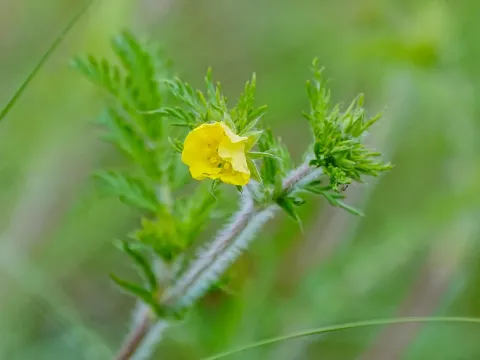
Potentilla chinensis
Potentilla chinensis
Potentilla chinensis, commonly known as Chinese cinquefoil, belongs to the Rosaceae family. This perennial herb is widely recognized for its ecological adaptability and medicinal value.
What the section contains
Potentilla chinensis
For successful cultivation, seeds should be sown in early spring when the soil temperature consistently reaches 10–12 degrees Celsius. Alternatively, fall sowing is effective for natural stratification.
The seeds are relatively small and should be sown at a shallow depth of no more than 1 cm. Proper soil contact is vital to ensure optimal germination rates and early seedling vigor.
When starting from seedlings in a greenhouse, sowing is usually performed in March. This method provides better control over environmental conditions and increases the survival rate during the initial growth stages.
Spacing between rows should be maintained at 40–50 cm. This practice facilitates manual or mechanical weeding and ensures that the plants receive adequate airflow and light penetration.
This species thrives in well-drained, sandy loam or loamy soils. It is critical to select sites that prevent waterlogging, as the root system is susceptible to decay in saturated conditions.
Potentilla chinensis is a light-demanding plant. It performs best in full sun exposure, which is essential for the development of its secondary metabolites and overall biomass.
The optimal temperature range for active vegetative growth is between 18 and 25 degrees Celsius. It demonstrates good cold hardiness, making it suitable for temperate climate zones.
While the plant is somewhat drought-tolerant once established, moderate irrigation is necessary during the flowering phase to support high yields of quality plant material.
Nutrient management involves applying well-rotted organic matter. Over-fertilization with nitrogen should be avoided as it can adversely affect the plant's medicinal profile and structural integrity.
Economic use of Chinese cinquefoil is primarily focused on the harvest of aerial parts and roots for the pharmaceutical industry. Productivity increases significantly from the second year onwards.
Yield stability is achieved by implementing proper crop rotation strategies. Avoid planting on fields recently used for other Rosaceae species to prevent the buildup of soil-borne pathogens.
Regular inter-row cultivation helps maintain soil structure and suppress weed competition, which are critical factors in achieving consistent commercial-grade yields.
The root system is robust and harvested during the late autumn period when the plants enter dormancy. This timing ensures the highest concentration of active compounds within the roots.
Strategic management of plant density per hectare can optimize both the quantity and quality of the biomass produced, depending on the intended final pharmaceutical application.
The main threats to Potentilla chinensis include powdery mildew, especially in humid or poorly ventilated environments. Proper plant spacing is the most effective preventative measure.
Aphids and spider mites may occasionally colonize the plants during hot, dry weather. Integrated pest management using biological controls is recommended to maintain the purity of the harvest.
Root rot is typically associated with poor drainage or over-irrigation. Ensuring a well-structured soil profile is the best defense against these types of fungal infections.
Field monitoring is necessary throughout the growing season to identify early signs of stress or pest infestations, allowing for timely and localized intervention if required.
The plant generally exhibits a high level of natural resilience, making it a sustainable choice for organic production systems where chemical input is strictly limited.
The aerial parts of Potentilla chinensis should be harvested at the peak of flowering to ensure the maximum concentration of active biological components.
Drying must take place in shaded, well-ventilated areas or specialized dryers at temperatures not exceeding 45 degrees Celsius to preserve the integrity of volatile compounds.
Roots are harvested after the vegetative cycle ends, cleaned thoroughly, and sliced to facilitate efficient drying. Cleanliness is paramount to meet pharmaceutical safety standards.
Stored material should be kept in cool, dry conditions away from direct sunlight. Proper packaging prevents moisture absorption and maintains the medicinal quality over time.
Following strict post-harvest protocols ensures that the product retains its therapeutic efficacy and meets the rigorous quality requirements of modern herbal medicine manufacturing.