
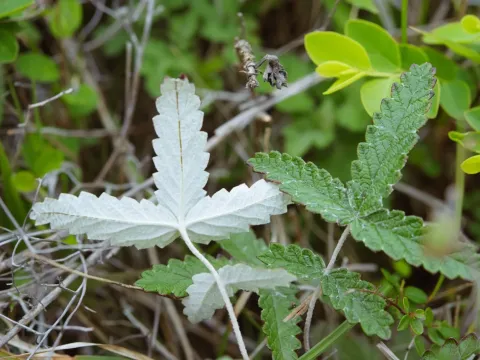
Potentilla discolor
Potentilla discolor
Potentilla discolor belongs to the Rosaceae family and is recognized as a hardy perennial herb native to parts of East Asia.
What the section contains
Potentilla discolor
Propagation is typically done through seeds, which require stratification to achieve consistent germination rates in the spring.
Seeds should be sown in prepared nursery beds or directly into well-drained soil during the cool early spring season.
Minimal soil cover is recommended during sowing, as the seeds require sufficient light to trigger the germination process effectively.
Once established, the plants form sturdy rosettes that expand annually, making them suitable for long-term cultivation cycles.
The plant thrives in regions with temperate climates, showing a remarkable ability to survive cold winters and dry summer conditions.
It prefers sunny locations and soils with excellent drainage, as the species is highly susceptible to root decay in waterlogged conditions.
Soil pH should ideally be neutral or slightly alkaline, with a moderate amount of organic matter to support healthy foliage growth.
While drought-tolerant once established, supplemental irrigation during the peak growing season significantly enhances biomass yield.
Space the plants adequately to ensure good air circulation, which helps maintain the overall health of the crop throughout the season.
Potentilla discolor is cultivated primarily for its medicinal value, specifically the leaves and stems which contain therapeutic compounds.
Crop management focuses on optimizing leaf development, which serves as the primary raw material for herbal and pharmaceutical industries.
Productivity levels depend heavily on site selection and soil fertility, with consistent yields observed over multiple harvesting years.
Standard farm practices include the application of balanced fertilizers to stimulate growth without compromising the quality of active agents.
Regular monitoring of plant vigor allows farmers to determine the peak timing for harvest, ensuring maximum concentration of secondary metabolites.
Fungal diseases like powdery mildew are the most common threats, especially when humidity levels remain high for extended periods.
Pests such as aphids and spider mites can occasionally affect the vitality of young leaves if not controlled through early intervention.
Root rot is a significant danger in fields with heavy, poorly drained soil, often leading to rapid plant death during the dormant season.
Integrated pest management strategies are encouraged to protect the integrity of the harvest, particularly for organic-certified crops.
Good sanitation, including the removal of dead plant material at the end of the season, reduces the risk of overwintering pathogens.
Harvesting is typically conducted during the mid-flowering stage, as this timing provides the best balance between quality and quantity.
The aerial parts are cut using mechanical harvesters or manual tools, leaving sufficient crown structure for the plant to regenerate.
Immediate drying is essential to prevent degradation of the active components, using shade-drying or controlled airflow systems.
Post-harvest processing involves cleaning and packaging the dried product in a way that protects it from moisture and sunlight degradation.
Properly handled and stored material retains its chemical potency for several years, ensuring high market value and consumer demand.