
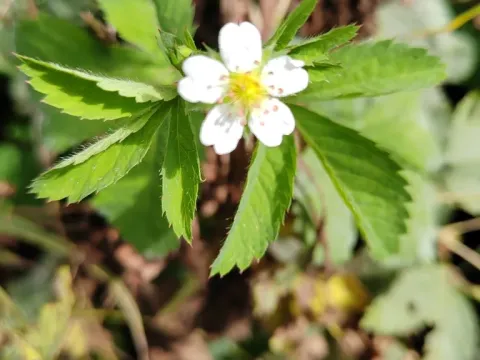
Potentilla elatior
Potentilla elatior
The sowing of Potentilla elatior is primarily conducted in the spring when soil temperatures reach 8–10 degrees Celsius. The optimal planting period is late April to early May, which allows seeds to utilize early season soil moisture for uniform and rapid germination.
What the section contains
Potentilla elatior
For establishing hay meadows or forage stands, seeds should be sown in rows with a spacing of 15–20 centimeters. The planting depth must be kept shallow, between 1 to 2 centimeters, as the small seeds struggle to emerge if buried too deeply in dense soil.
The plant exhibits a natural ability to self-seed under favorable environmental conditions, making it suitable for long-term pasture maintenance. Autumn sowing is also possible, as it allows seeds to undergo natural stratification during winter, improving germination energy in the spring.
Seeding rates are calculated based on seed purity and viability, typically ranging from 6 to 10 kilograms per hectare in monoculture stands. When included in grass mixtures, the seeding rate is adjusted downward to balance the density of the forage stand.
Post-sowing soil compaction using rollers is highly recommended to ensure good seed-to-soil contact. This practice prevents the upper soil layer from drying out too quickly and provides the necessary stability for emerging seedlings during their early developmental stages.
Potentilla elatior is a member of the Rosaceae family, characterized by a robust perennial root system. In the wild, it is typically found in steppe and meadow-steppe zones, preferring open areas that receive plenty of direct sunlight for optimal growth and flowering.
The plant has moderate soil requirements but thrives best in light loamy or sandy loam soils with a neutral pH level. It shows good tolerance for temporary moisture saturation but is sensitive to prolonged waterlogging or stagnant water conditions in the root zone.
This species is highly cold-hardy, capable of surviving significant temperature fluctuations during the spring season. These biological traits make it an excellent candidate for introduction into various climatic zones where other forage grasses might suffer from winter injury.
As a xeromesophyte, the plant is well-adapted to areas with moderate moisture levels and exhibits high resistance to short-term drought. During the peak vegetative period, it requires adequate access to essential mineral nutrients, particularly phosphorus and potassium, for structural growth.
An essential management requirement is maintaining good soil aeration and controlling weeds during the first two years of establishment. Effective early-stage weed management allows the plant to form a strong leaf rosette and compete successfully for light and nutrients.
Agricultural use of Potentilla elatior focuses on biomass production for high-quality forage and hay. Yields depend heavily on soil fertility and management practices, typically averaging between 5 and 12 metric tons of dry matter per hectare under good growing conditions.
Peak biomass productivity is usually observed during the second and third years of the stand, once the root system is fully established. The forage is valued for its protein content and mineral density, making it a nutritious feed source for livestock and ruminants.
Beyond its forage applications, Potentilla elatior serves as a valuable source of bioactive compounds in pharmacology. The aerial parts contain high concentrations of tannins and flavonoids, which are utilized in the manufacturing of various herbal and medical preparations.
In dedicated seed production plots, yields can reach 150–300 kilograms per hectare with proper pest management. Harvesting of seeds is performed once they reach full technical maturity, which is clearly signaled by the darkening of the seed heads.
To sustain long-term productivity, nitrogen fertilization after each mowing cycle is recommended to stimulate regrowth. This management strategy allows for two full harvests per growing season, significantly increasing the total annual yield of the forage stand.
Common diseases affecting these stands include fungal infections such as powdery mildew and various leaf spot diseases. These issues typically emerge during seasons characterized by high humidity and poor air circulation within the canopy of the plants.
Pests that pose a threat to the crop include various insects that target the plant's reproductive organs. Specifically, certain weevil species can damage flower buds, leading to a significant reduction in seed yield if not monitored correctly during the growing season.
Disease management strategies include the timely application of fungicides during peak infection risk periods and strict adherence to crop rotation principles. Avoiding monoculture planting is crucial to prevent the accumulation of soil-borne pathogens over several years.
The impact of defoliating caterpillars can be significant, as they feed on leaf tissue and reduce the plant's photosynthetic capacity. Regular scouting of fields allows for the targeted application of insecticides only when infestation thresholds are exceeded.
An integrated pest management approach should prioritize cultural practices, such as proper mowing intervals, which help reduce wintering sites for many pests. A vigorous and healthy plant stand inherently possesses a stronger defense against biotic stressors.
Harvesting for forage should occur during the flowering stage to maximize the nutrient content of the biomass. Mowing is carried out using standard equipment, followed by field drying to reach a moisture level suitable for safe and long-term hay storage.
During the hay-making process, minimizing leaf loss is essential, as the foliage holds the highest concentration of bioactive compounds. Utilizing balers helps to maintain the integrity of the harvest, ensuring high feed quality throughout the winter months.
For seed production, a two-stage harvesting method or direct combining is used. The two-stage approach—swathing followed by threshing—is often preferred to prevent excessive seed shattering, as the seeds ripen unevenly across different parts of the inflorescence.
Post-harvest field management involves clearing crop residues to prevent the development of overwintering pathogens. If necessary, light harrowing can be performed to improve soil aeration and encourage better regrowth of the root system in the coming season.
Optimal harvest timing is highly dependent on weather conditions; dry, sunny weather is ideal for producing high-quality hay with minimal energy expenditure for drying. Proper harvesting techniques ensure the preservation of nutritional quality for livestock consumption.