
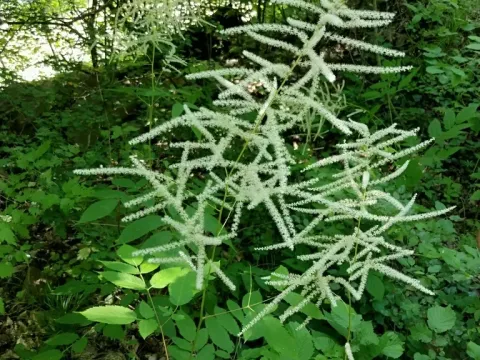
Goatsbeard
Aruncus sylvester
Propagation of Aruncus sylvester is commonly achieved through seed sowing in late autumn to ensure natural stratification. For spring sowing, seeds require pre-chilling for several weeks to break dormancy and ensure uniform germination.
What the section contains
Goatsbeard
Seeds are small and should be sown on the surface of well-prepared, moisture-retentive soil. Keeping the seedbed consistently moist is critical, as seedlings are prone to desiccation before they establish a robust root system.
Vegetative propagation via division is the preferred method for agricultural efficiency. Mature clumps should be lifted in early spring or late summer and split into sections, ensuring each piece contains several healthy buds.
When transplanting, providing adequate spacing is necessary to allow the plants to develop their full potential. A minimum spacing of 70 to 90 centimeters is recommended for optimal air circulation and long-term health.
Proper establishment requires attention to moisture levels during the first year of growth. Regular watering until the root system has penetrated deeply into the soil is essential for the long-term success of the plantation.
Aruncus sylvester is a perennial herb belonging to the Rosaceae family. It is widely recognized for its ecological adaptability, naturally occurring in woodlands and mountainous regions across the Northern Hemisphere.
The crop thrives best in deep, fertile, and consistently moist soil. It performs exceptionally well in locations with a pH range of 6.0 to 7.0, although it can tolerate various soil textures provided they are rich in organic matter.
While the plant is shade-tolerant, it requires sufficient light to maximize its flowering capacity. In areas with high heat, afternoon shade is critical to prevent foliage scorching and maintain overall plant vigor.
Cultural practices include the application of balanced organic fertilizers in early spring. Mulching the base of the plants helps maintain soil moisture levels and reduces the competitive pressure from weed species.
Once established, the plant is quite hardy and drought-tolerant due to its extensive root system. It remains a reliable perennial that requires minimal maintenance over several years of growth.
Goatsbeard is largely resistant to significant pest infestations and diseases under proper environmental conditions. However, poorly drained soils can lead to root rot, which is the most serious threat to the plant's survival.
Aphids occasionally colonize the soft, young growth during the peak spring season. Monitoring the undersides of leaves and applying horticultural soaps or systemic insecticides is effective for managing these populations.
Leaf-eating insects, such as caterpillars, may occasionally cause cosmetic damage. While rarely fatal, significant defoliation can weaken the plant, so manual removal or light insecticidal sprays should be utilized if necessary.
Ensuring proper air circulation by avoiding overcrowding is the best preventative strategy against fungal pathogens. Removing dead foliage at the end of the season prevents the overwintering of spores in the garden debris.
Integrated pest management strategies should focus on maintaining healthy plants. Robust specimens are naturally more resistant to minor pest issues, reducing the need for intensive chemical applications.