
Gillenia stipulata
Gillenia stipulata
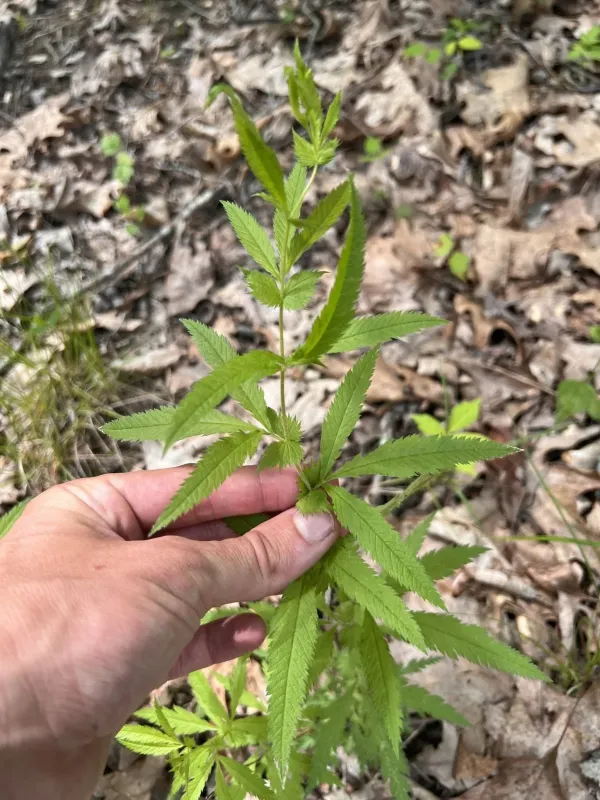
Description
Sowing dates
Gillenia stipulata can be propagated through seeds or by dividing mature rootstocks. Sowing seeds directly into the garden in late autumn is highly recommended, as they require cold stratification to break dormancy.
If you prefer spring sowing, seeds must be stratified artificially by keeping them in a refrigerator for 60 to 90 days. Maintain temperatures between 15 and 20 degrees Celsius for optimal germination.
Division of the clump should ideally take place in early spring, just as growth begins, or in autumn after the flowers have faded. Carefully separate the rhizomes to ensure each new plant has enough roots to establish successfully.
Space the plants approximately 40 to 50 centimeters apart to allow sufficient airflow. Proper spacing prevents the stems from becoming overcrowded and reduces the risk of fungal infections later in the season.
During the first year, monitor moisture levels closely, as young plants are susceptible to drought while their root systems are developing. Consistent irrigation is vital until the plant is well-established.
Growing requirements
Gillenia stipulata thrives best in partial shade, where it receives protection from intense afternoon sun. In cooler climates, it can handle more sun if soil moisture is kept consistently high.
The soil should be fertile, well-draining, and rich in organic matter. A neutral to slightly acidic pH is ideal for promoting healthy growth and vibrant foliage development throughout the season.
Avoid heavy, waterlogged soils, as this plant does not tolerate "wet feet." Amending the planting site with compost or leaf mold improves soil structure and drainage effectively.
This perennial is quite hardy and can withstand moderate winters without special protection. Mulching around the base with bark or compost helps retain soil moisture and protects roots during temperature fluctuations.
Watering should be regular, especially during dry spells in summer. Aim the water at the base of the plant to keep the foliage dry, which helps maintain the plant's health and appearance.
Yield
The primary use of Gillenia stipulata is as an ornamental perennial in naturalistic gardens and woodland borders. Its delicate white flowers and attractive foliage make it a sophisticated addition to any landscape.
It is valued in professional horticulture for its longevity, as a single clump can remain healthy for over a decade. This reliability makes it a cost-effective choice for large-scale landscaping projects.
The plant adds aesthetic value to gardens due to its unique, airy structure. Its flowers are highly attractive to pollinators, contributing significantly to local biodiversity in suburban and rural garden settings.
In the floral industry, stems of Gillenia can be used in bouquets to add texture and a "wildflower" look. Harvest stems when the buds are partially open to maximize their vase life.
The ease of maintenance combined with its resistance to many common garden issues makes it an excellent plant for low-intervention landscaping, reducing long-term labor costs for gardeners.
Main diseases and pests
Gillenia stipulata is generally considered disease-resistant, though it may be susceptible to root rot if grown in poorly drained soil. Always ensure the planting site allows for adequate water movement.
Powdery mildew can occasionally appear in crowded conditions with high humidity. Proper spacing and ensuring good ventilation around the plants are the most effective cultural controls for this issue.
Slugs and snails can pose a threat to young shoots in early spring, especially during wet weather. Using crushed gravel or organic barriers around the base of the plant can deter these pests effectively.
Aphids may occasionally infest the tender tips of the plant during the early growth stage. A gentle blast of water or an application of insecticidal soap is usually sufficient to address the problem.
Regular monitoring and good sanitation practices—such as removing dead foliage at the end of the season—are key to maintaining a healthy patch of Gillenia and preventing recurring pest outbreaks.