
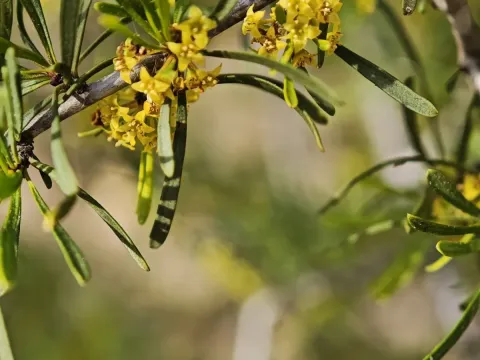
Rhamnus lycioides
Rhamnus lycioides
Rhamnus lycioides, commonly known as the Mediterranean buckthorn, is a perennial shrub belonging to the Rhamnaceae family. It is native to the Mediterranean basin, where it thrives in arid and semi-arid environments.
What the section contains
Rhamnus lycioides
The plant is characterized by its stiff, thorny branches and small, leathery leaves that minimize water loss through transpiration. This evolutionary design makes it an ideal species for xeriscaping and sustainable planting.
Regarding soil requirements, it prefers well-drained, alkaline, or limestone-based substrates. It can grow successfully in nutrient-poor, rocky soils where more demanding plant species would struggle to survive.
The climate requirement is primarily a high amount of solar radiation. The plant demands full sun exposure to maintain its compact form and ensure proper development of its complex branching structure.
Agricultural practice for this species is relatively simple. Once established, it requires minimal irrigation and infrequent fertilization. Regular pruning helps to maintain a tidy appearance, especially when used for hedge construction.
Rhamnus lycioides is noted for its high resistance to common pathogens. Its natural chemical profile and tough outer layers serve as an effective deterrent against many insect species.
Root rot, primarily caused by species of Phytophthora, is the most common threat when the plant is grown in poorly drained soils. Overwatering is the primary cause of plant failure in garden settings.
Occasional infestations of aphids can occur during the spring growth flush. These are generally minor and can be managed with biological soaps or simply by pruning the affected tips of the branches.
Powdery mildew can occasionally affect plants if they are placed in areas with stagnant, humid air. Proper spacing during planting is essential to ensure that wind can move through the foliage, reducing humidity levels.
Because of its hardiness, the plant rarely requires chemical intervention. It is highly valued for its ability to grow with almost no maintenance once the plant has fully developed its deep root system.