
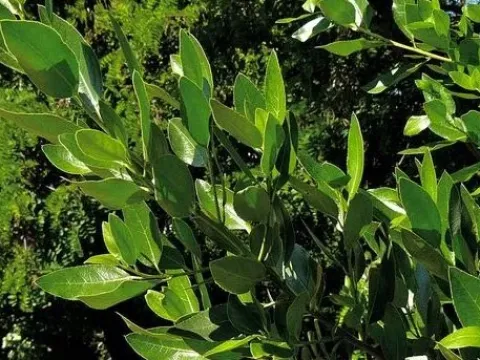
Rhamnus leptophylla
Rhamnus leptophylla
Propagation of Rhamnus leptophylla is typically achieved through seeds, which require a period of cold stratification to break dormancy and ensure high germination rates after sowing.
What the section contains
Rhamnus leptophylla
Seeds should be stored in moist sand at temperatures between 0 and 5 degrees Celsius for approximately three to four months before being sown in well-prepared seedbeds during early spring.
Vegetative propagation via softwood cuttings is also highly effective when performed during the active growing season, typically from late spring to early summer, to ensure rapid root development.
Cuttings should be treated with rooting hormones and planted in a propagation tray with a well-draining peat-based medium, maintaining high humidity levels under a protective cover.
Once established, the young shrubs can be transplanted to their final location in the garden, ideally during the dormant season to minimize transplant stress and encourage root growth.
Rhamnus leptophylla belongs to the Rhamnaceae family and is recognized for its slender foliage and elegant growth habit, which makes it an excellent choice for various landscaping applications.
The shrub thrives in moderately fertile, well-drained loamy soils and is generally adaptable to different soil pH levels, ranging from slightly acidic to neutral environments.
As a light-demanding species, this plant requires full sun to partial shade; adequate sunlight is crucial for maintaining its compact form and vibrant leaf coloration throughout the season.
The species exhibits good winter hardiness and is capable of enduring cold climates, making it a reliable choice for gardens located in temperate zones with significant seasonal temperature fluctuations.
Regular maintenance includes consistent watering during prolonged dry spells, annual pruning to shape the crown, and the application of balanced fertilizers to support robust foliage production.
Pest management is an essential component of cultivating this shrub, as aphids can cause significant damage to the soft apical growth during the peak of the growing season.
Integrated pest management practices, such as encouraging natural predators or utilizing mild insecticidal soaps, are recommended to maintain plant health without disrupting the local ecosystem.
Fungal infections, including powdery mildew, can occasionally affect the plant, especially when environmental conditions favor high humidity and restricted airflow within the dense foliage canopy.
To mitigate the risk of disease, it is vital to ensure adequate spacing between individual plants and to practice proper sanitation by removing any dead or diseased wood during the dormant season.
Routine monitoring for early signs of pathogen presence, such as leaf discoloration or spots, allows for timely intervention and prevents the spread of infection to healthier parts of the shrub.