
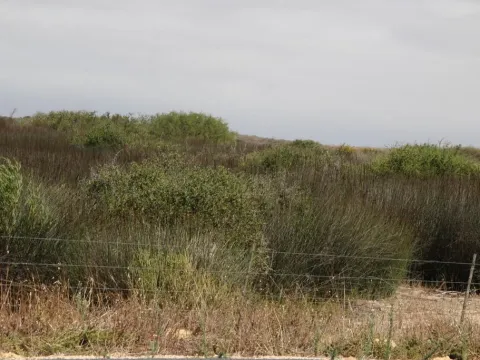
Elegia elephantina
Elegia elephantina
Elegia elephantina is a distinctive perennial plant belonging to the Restionaceae family. It is known for its robust, reed-like appearance and long, evergreen stems that form large, dense clumps, making it a highly valued architectural element in various ecosystems.
What the section contains
Elegia elephantina
The plant originates from the Western Cape region of South Africa. Its natural habitat includes mountain slopes and damp areas, which has shaped its physiological adaptation to specific climatic conditions, including cool winters and warm, dry summers.
For successful cultivation, Elegia elephantina requires well-drained, acidic to neutral soil. Poor soil aeration and waterlogging are strictly prohibited as they lead to rapid decline and root zone asphyxiation. Incorporating coarse sand or fine gravel into the planting medium is highly recommended.
The climate requirements for this species involve consistent sunlight exposure. While it prefers full sun, it can tolerate partial shade in regions with extremely high midday temperatures. The plant shows moderate cold tolerance but requires protection from severe frost and heavy winds.
Agronomic management of Elegia elephantina involves minimal fertilizer application, as it is adapted to nutrient-poor soils. Phosphorus-free fertilizers should be used to avoid toxicity, and irrigation should be managed to ensure the soil remains moist but not saturated.
Harvesting of Elegia elephantina is typically limited to selective pruning for aesthetic maintenance or the collection of plant material for specialized floral arrangements. Pruning should be performed using sterile, sharp blades to ensure clean cuts.
Propagation is primarily achieved through the careful division of established rootstocks. This process is best conducted during the dormant season, ensuring that each division has sufficient root mass to establish itself in a new environment.
When harvesting for decorative use, the stems are cut at the base once they have matured and gained sufficient structural rigidity. Proper post-harvest handling involves drying the stems in a cool, dark environment to retain their natural coloration.
Removal of dead or damaged stems is essential to maintain the vitality of the clump. This practice reduces the risk of disease and ensures that resources are directed toward the growth of healthy new shoots during the next vegetative phase.
Seed collection is possible but requires careful monitoring of the flowering cycle. Once the spikes change color and begin to mature, they should be collected and placed in paper bags to capture seeds as they disperse naturally.
Root rot caused by Phytophthora or Pythium species is the most severe threat to Elegia elephantina. These pathogens thrive in poorly drained soils and can destroy an entire collection if moisture levels remain high for an extended period.
Spider mites represent the primary pest challenge, particularly in dry and poorly ventilated greenhouse conditions. These pests damage the stems by extracting cell sap, causing yellowing and a loss of visual appeal.
Mealybugs can also infest the base of the stems, causing stunted growth and providing entry points for secondary fungal infections. Integrated pest management using systemic soap or horticultural oils is usually effective if detected early.
Poor circulation of air within dense plantings can encourage the development of mold and mildews. Spacing is a critical factor; maintaining adequate distance between individual plants significantly reduces the risk of rapid disease transmission.
Lastly, nutrient imbalances, particularly excessive phosphorus levels, can lead to iron chlorosis and overall plant weakness. Regular soil testing and pH monitoring are essential to prevent physiological disorders in this specialized crop.