
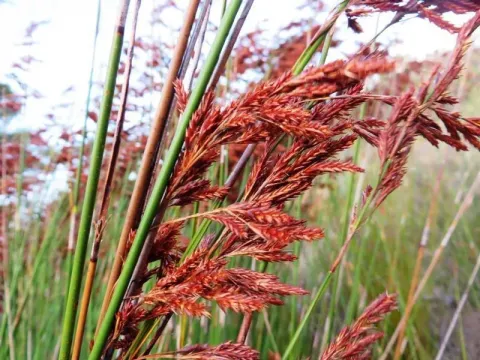
Thamnochortus
Thamnochortus
Thamnochortus is a genus of perennial plants belonging to the Restionaceae family, native to the Cape Floristic Region of South Africa. Often described as restios, these plants are highly valued in modern landscape design for their architectural structure and resemblance to coarse grasses or reeds.
What the section contains


Thamnochortus
The botanical unique selling point of Thamnochortus is its evolutionary adaptation to nutrient-poor soils. The plant features reduced leaves and photosynthetic stems, which are highly efficient in preserving water, making the genus well-adapted to Mediterranean-type climates.
When selecting a site for planting, light is the most important factor. Thamnochortus thrives in full sun exposure. Lack of adequate light results in stunted growth and a loss of the plant's structural integrity, causing the stems to droop and become unsightly.
Soil requirements are strict: the medium must be sandy, well-draining, and acidic. Heavy soils that retain moisture for prolonged periods will almost certainly cause the plant to succumb to root rot. If the native soil is unsuitable, building a raised bed with a specialized grit mix is recommended.
In terms of agricultural management, Thamnochortus requires minimal fertilization. As plants evolved in sandy, low-nutrient soils, they are sensitive to high levels of chemical fertilizers, particularly phosphorus, which can cause severe leaf scorch and plant death.
The primary threat to the health of Thamnochortus is the development of soil-borne fungal pathogens, such as Pythium and Phytophthora. These fungi thrive in cool, damp, and poorly aerated conditions, often initiated by overwatering during the dormancy period.
Insect pests include sucking insects such as mealybugs and aphids, which hide in the dense clusters of the stems. Because of the plant's tight growth habit, these pests can be difficult to control once an infestation is well-established.
Mechanical damage to the roots is a significant issue. Unlike many other grasses, Thamnochortus does not respond well to division or root pruning. Any disturbance to the root ball should be avoided during transplanting to prevent transplant shock.
Poor ventilation is a secondary environmental threat. In greenhouse conditions, if air circulation is insufficient, the centers of large clusters can become damp, leading to fungal spots and the degradation of the plant's decorative aesthetic.
Finally, incorrect pH levels in the substrate can lock out micronutrients, leading to chlorosis. Maintaining an acidic soil pH is essential to ensure the plant can uptake minerals effectively and maintain its characteristic green or glaucous coloration.