
Cannomois
Cannomois
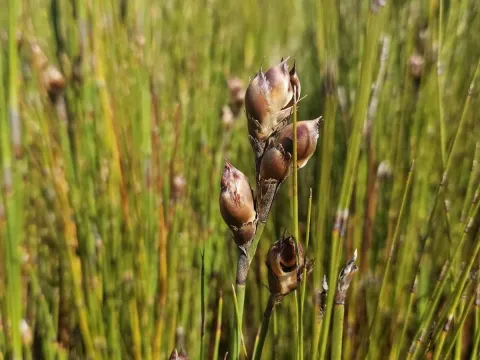
Cannomois is a genus of perennial plants belonging to the Restionaceae family, native primarily to the Western Cape of South Africa. These plants are characterized by their tall, reed-like, and highly structural stems, which serve as an architectural focal point in garden designs.
What the section contains
Cannomois
Cultivation requirements for Cannomois are quite specific, reflecting their natural habitat. They thrive in Mediterranean climates, requiring long periods of sunshine and well-ventilated spaces. They are not suited for regions with high humidity or prolonged frost, making them suitable for specialized gardening.
Soil composition is critical: these plants require acidic, sandy, and extremely well-draining soils. They have evolved in nutrient-poor environments, so rich compost or heavy fertilization can be detrimental, leading to stunted growth or root failure due to sensitivity to soil salts.
Water management involves keeping the soil consistently moist but never waterlogged during the active growth season. In winter, water should be reduced significantly, especially if the ambient temperatures are lower, to prevent the roots from rotting in cold, damp soil.
For landscape utilization, Cannomois is valued for its vertical impact and year-round interest. It is frequently used in contemporary and gravel gardens, as well as in professional floral arrangements where its long-lasting, wire-like stems provide stability and a unique texture.
Root rot caused by Oomycetes and other fungal pathogens is the primary threat to Cannomois. This condition is almost always a result of poor drainage or overwatering, which creates an anaerobic environment where the roots cannot breathe and eventually decay.
Pests such as mealybugs and spider mites are common problems in indoor or sheltered environments. These insects thrive in dry, stagnant air, necessitating regular monitoring and, if necessary, the application of gentle insecticidal soaps or horticultural oils to keep populations in check.
Nutrient toxicity is a major physiological threat. Because Cannomois is adapted to phosphorus-poor soils, common garden fertilizers often contain levels of minerals that prove toxic to this species. It is imperative to use only low-dose, specialized fertilizers if supplemental nutrition is required.
Severe weather events, specifically unexpected freezes, can cause structural damage to the stems. While some species have moderate cold tolerance, most will sustain tissue damage, which then becomes a gateway for opportunistic bacterial infections during subsequent thaw cycles.
Hygiene practices are essential to mitigate risks. Keeping the area around the base of the plant clear of debris and ensuring good airflow through the plant mass prevents the accumulation of moisture, which is the primary driver of most foliage and stem diseases.