
Restio
Restio
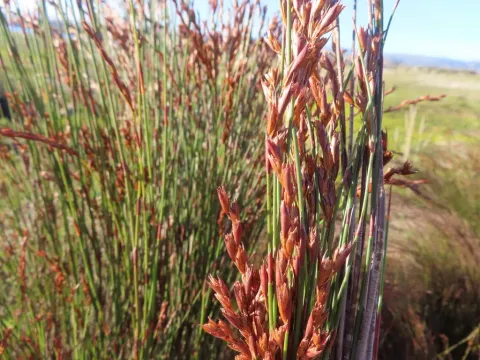
Restio is a genus of perennial herbaceous plants belonging to the Restionaceae family. Often mistaken for ornamental grasses, these plants possess distinct botanical structures, featuring segmented, reed-like stems that lack true leaves.
What the section contains

Restio
The origin of the genus is primarily concentrated in the Southern Hemisphere, specifically in the Western Cape of South Africa. They are perfectly adapted to fire-prone environments and nutrient-deficient soils, characterizing the unique fynbos biome.
Agricultural and gardening success with Restio depends heavily on soil composition. They require extremely well-draining, acidic, and low-nutrient substrates; excessive use of fertilizers, particularly phosphorus, can be lethal to these plants.
Climatic requirements focus on a Mediterranean-like environment. These plants thrive in full sun and prefer temperate conditions, requiring protection from severe frost while maintaining good airflow around the canopy to prevent humidity-related issues.
Horticultural use is primarily ornamental. Their structural appearance and evergreen nature make them highly sought after in xeriscaping and sustainable landscape design as architectural features that demand minimal intervention.
The primary threats to Restio health are fungal pathogens, specifically Phytophthora species. These fungi thrive in waterlogged soil conditions and are the leading cause of mortality in cultivated populations.
While pests are generally uncommon due to the high silica content and toughness of the stems, they can occasionally be susceptible to sap-sucking insects during the initial growth phase, which requires vigilance in nursery settings.