
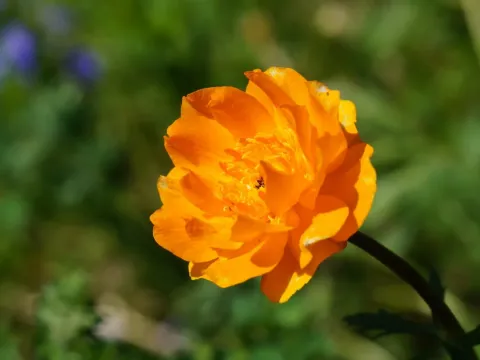
Altai globeflower
Trollius altaicus
Seeds of the Altai globeflower require cold stratification to break dormancy. Sowing in late autumn directly into the garden is the most effective method, as it allows the seeds to undergo a natural freeze-thaw cycle during winter.
What the section contains
Altai globeflower
For those opting for spring sowing, seeds must be kept in a moist medium in a refrigerator at temperatures between 1 and 5 degrees Celsius for about two to three months. This artificial stratification mimics winter conditions and ensures a higher germination rate.
Growth after germination is notably slow, with the plant initially focusing on developing a dense rosette of basal leaves. It typically takes two or three years for the plant to reach maturity and produce its first set of vibrant, bowl-shaped flowers.
Vegetative propagation via clump division is the preferred method for faster results in garden settings. This should be performed either in early spring as growth begins or in late summer once the foliage starts to die back.
When transplanting divisions, ensure the dormant buds are placed just below the soil surface, no deeper than 2 centimeters. Proper depth is essential for healthy root development and to prevent the crown of the plant from rotting.
Trollius altaicus is a member of the Ranunculaceae family and is native to moist alpine and subalpine meadows. Consequently, it thrives in environments that provide consistent soil moisture throughout the growing season.
The ideal soil for the Altai globeflower is a rich, loamy, and well-drained medium that is slightly acidic to neutral. It is highly cold-hardy, making it an excellent candidate for regions with harsh, freezing winters.
While the plant can tolerate full sun in cooler northern regions, it prefers partial shade in areas with hot summers to avoid leaf scorch. High humidity around the base of the plant is beneficial for its long-term health and vigor.
Regular watering is necessary, especially during the bud-forming stage and peak flowering time. Mulching with organic matter, such as leaf mold or compost, is highly recommended to retain moisture and keep the roots cool.
A balanced fertilizer applied in early spring helps stimulate foliage growth and supports strong flower production. Avoiding high-nitrogen fertilizers later in the season prevents the development of weak, succulent stems that are prone to lodging.
Common garden pests such as aphids and various caterpillars can occasionally feed on the leaves. Monitoring the plants regularly allows for early detection, and manual removal or the use of insecticidal soap is usually sufficient to control small infestations.
Fungal diseases, including leaf spot and mildew, can occur if the plants are situated in areas with poor air circulation. Providing adequate spacing between plants is crucial for maintaining foliage health and reducing the risk of fungal spread.
Root rot is the most serious threat, typically resulting from waterlogged soil or poorly drained planting sites. To prevent this, ensure that the soil remains moist but never saturated, and avoid planting the crown too deeply.
Slugs can cause significant cosmetic damage, particularly to young spring growth. Using non-toxic barriers or slug bait pellets around the perimeter of the plant can help protect the foliage from being devoured.
Plants showing signs of chlorosis may be suffering from an nutrient imbalance or soil alkalinity. Testing the soil pH and amending it with organic peat or compost can correct the issue and restore the plant's health.
Seed collection should be timed carefully, ideally occurring when the seed pods have turned brown but have not yet shattered. Drying the pods in a shaded, well-ventilated area ensures the seeds mature properly before storage.
In a decorative context, flower stalks should be trimmed down after the petals fade to redirect the plant's energy toward root and leaf development. This practice helps maintain the overall health and longevity of the perennial clump.
Winter preparation involves cutting back the foliage to a height of a few centimeters once it has fully yellowed after the first hard frost. This helps remove potential overwintering sites for pests and diseases.
When using the globeflower as a cut flower, stems should be harvested when the blossoms are just beginning to open. This stage provides the best vase life, allowing the beauty of the flowers to be enjoyed indoors.
To maximize the vase life of cut stems, ensure they are placed in clean, cool water and that no leaves remain submerged. Regularly changing the water helps to prevent bacterial growth that could shorten the life of the cut flowers.