
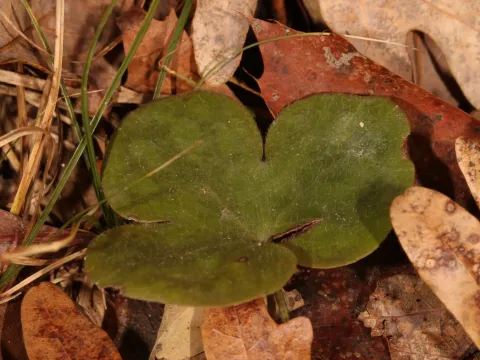
American liverleaf
Hepatica americana
American liverleaf (Hepatica americana) is a herbaceous perennial plant belonging to the Ranunculaceae family. It is native to the woodland regions of North America, where it thrives in shaded and nutrient-rich environments.
What the section contains
American liverleaf
Cultivation requires specific soil conditions, ideally characterized by high organic matter content, excellent drainage, and a slightly acidic to neutral pH level. The soil should remain consistently moist throughout the growing season without being waterlogged.
The plant is highly specialized for shady habitats and does not tolerate direct, intense sunlight, which can lead to leaf scorching and plant stress. Ideal placement includes areas under the canopy of deciduous trees that provide filtered light throughout the day.
Maintenance involves providing adequate moisture, especially during the spring bloom and the following growth period. Mulching with natural leaf litter is recommended to mimic the forest floor, which helps regulate soil temperature and retain necessary humidity.
In terms of agricultural and horticultural use, Hepatica americana is primarily valued as an ornamental plant for shade gardens and rockeries. Its early spring flowers are highly sought after for creating seasonal interest in managed landscape environments.
The health of American liverleaf is often challenged by fungal pathogens if environmental conditions become stagnant or overly humid. Root rot remains the most common threat, often triggered by poor soil structure or excessive watering practices.
In terms of pests, slugs and snails pose a significant risk, particularly to young, tender foliage during the spring months. These pests can rapidly compromise the visual quality and vigor of the plants if left unmanaged.
Preventative management is key, involving the ensurement of proper air circulation around the plants. Avoiding overcrowding is essential, as it prevents the buildup of humidity that favors the spread of fungal spores among the plant population.
Routine inspections are necessary to identify early signs of insect activity or infection. Should symptoms arise, applying appropriate cultural or chemical control measures is vital to protect the health of the perennial planting.
Sanitation practices, such as removing debris from the base of the plant, can reduce the prevalence of pathogens in the microenvironment. Keeping the surrounding area clear of invasive weeds also reduces competition and further supports the overall plant resilience.