
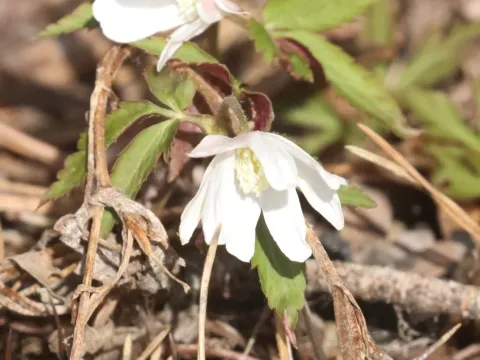
Anemone altaica
Anemone altaica
Anemone altaica is a perennial herbaceous plant belonging to the Ranunculaceae family. Native to the forest zones of Siberia and the Russian Far East, this plant is well-adapted to environments with distinct seasonal cycles.
What the section contains
Anemone altaica
To thrive in cultivation, the plant requires loose, humus-rich soil that mimics forest conditions. A slightly acidic to neutral substrate with high moisture retention but excellent drainage is ideal for healthy growth.
This species prefers partial shade or dappled light, similar to its natural woodland habitat. Excessive direct sunlight can cause rapid dehydration and premature senescence of the foliage during the late spring period.
The plant demonstrates high winter hardiness, allowing it to survive sub-zero temperatures effectively under a blanket of snow. During the dormant summer period, the soil should be kept moderately moist to prevent root desiccation.
Due to its delicate white blooms and early flowering season, Anemone altaica is a highly valued plant for shade gardens, rockeries, and naturalistic landscape designs under tree canopies.
Propagation of Anemone altaica is most successfully achieved through the division of rhizomes. The optimal time for this operation is immediately after the plant has finished flowering, while the foliage is beginning to yellow.
When dividing, it is essential to ensure that each segment contains at least one healthy growth bud. Careful handling is required, as the rhizomes are brittle and sensitive to mechanical damage during the process.
Seed propagation requires a period of cold stratification to break dormancy. Seeds should be sown outdoors in the late autumn, allowing for a natural cold cycle throughout the winter to ensure germination in the following spring.
The recommended planting depth is approximately 3–5 cm. Consistent spacing of 15–20 cm allows the plants to establish dense colonies over several years without the need for constant maintenance or replanting.
Maintenance of new plantings includes mulching with leaf mold to regulate soil temperature and moisture levels, which supports the establishment of a robust root system before the onset of the next dormancy period.
Anemone altaica is generally resistant to most common garden pests and diseases. However, waterlogged soil can lead to the development of rhizome rots, especially in areas with poor drainage and high clay content.
Fungal infections, such as leaf spot, may occur if air circulation is inadequate or if the planting density is too high. Proper spacing between individual plants is a key preventive measure in shade gardening.
Slugs and snails are the primary pests that damage young, succulent spring foliage. Mechanical barriers, such as copper tape or crushed eggshells, are effective in protecting the emerging shoots from these gastropods.
Nematode infestations can occasionally affect the root system, resulting in stunted growth. Maintaining hygiene in the garden and sourcing planting material from reputable nurseries significantly reduces the risk of introduction.
Overall, because of its short vegetative cycle, the plant typically avoids the peak activity periods of most common horticultural pests, making it a low-maintenance choice for gardeners.