
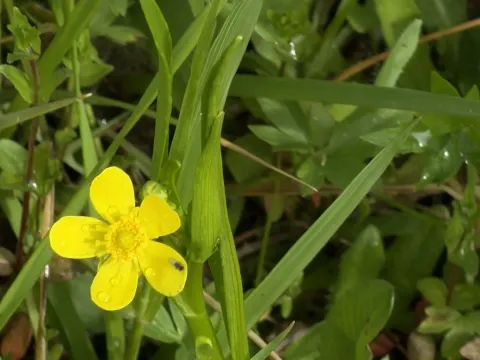
Alismaleaf buttercup
Ranunculus alismifolius
The Alismaleaf buttercup (Ranunculus alismifolius) is a perennial herbaceous plant belonging to the Ranunculaceae family. Propagation is primarily achieved through seeds, which require specific conditions to break dormancy and ensure high germination rates.
What the section contains
Alismaleaf buttercup
For successful cultivation, seeds should be sown in the autumn, allowing them to undergo natural cold stratification throughout the winter. If sowing in the spring, seeds must be kept in cold storage at temperatures between 2°C and 5°C for at least two months prior to planting.
When starting in containers, use a moisture-retentive peat-based substrate. Keep the medium consistently damp but not waterlogged, as seeds will fail to sprout if they dry out even once during the germination period.
Transplanting into the garden should occur once the seedlings are robust and the danger of frost has passed. Space the plants approximately 30 centimeters apart to allow for proper airflow and root expansion.
Vegetative division is an alternative method of propagation. Dividing mature clumps in early spring or late autumn helps rejuvenate the plants and maintains the vigor of the colony over many years.
Ranunculus alismifolius is inherently adapted to high-moisture environments such as wet meadows, stream banks, and boggy areas. Therefore, providing consistent soil moisture is the single most critical factor for successful growth.
The ideal soil type is a heavy, nutrient-rich loam that can hold water without becoming stagnant. While it thrives in damp conditions, the soil structure should still allow for some oxygen exchange to prevent root rot.
The plant performs best in full sun to partial shade. In northern regions, full exposure to sunlight is beneficial, whereas in warmer climates, afternoon shade is essential to protect the foliage from heat stress and desiccation.
Routine maintenance includes weeding, as the Alismaleaf buttercup is not a vigorous competitor against aggressive turf grasses. Applying a layer of organic mulch can help retain soil moisture and stabilize the root zone temperature.
While the species is hardy in its native habitat, it may require winter protection in extremely cold climates lacking snow cover to prevent heaving of the soil and root system damage.
The primary threats to this buttercup species are fungal diseases associated with excess humidity and poor air circulation. Powdery mildew is common during periods of high humidity and fluctuating temperatures.
Management of fungal issues involves ensuring adequate spacing between plants and removing any infected foliage immediately. Preventive fungicide applications may be necessary in greenhouse or nursery settings.
Pests such as aphids and spider mites can occasionally affect the plant, particularly if it is stressed by drought or improper light conditions. Integrated pest management, focusing on early detection and physical removal, is usually effective.
Because members of the Ranunculaceae family often contain toxic compounds, the plant is rarely consumed by mammalian herbivores, which serves as a natural defense mechanism against some types of browsing wildlife.
Proper field management, including rotation or ensuring the planting site is refreshed every few years, prevents the buildup of soil-borne pathogens that can specifically target the Ranunculus genus.