
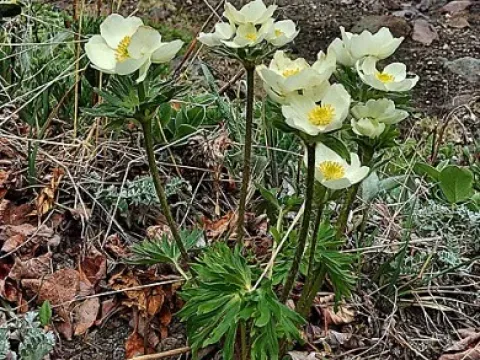
Anemonastrum
Anemonastrum
Anemonastrum is a genus of herbaceous perennial plants belonging to the Ranunculaceae family. Historically linked to the genus Anemone, these plants have been taxonomically reclassified due to their distinct morphological and genetic characteristics.
What the section contains
 Anemonastrum fasciculatum
Anemonastrum fasciculatum
Anemonastrum fasciculatum
 Anemonastrum tetrasepalum
Anemonastrum tetrasepalum
Anemonastrum tetrasepalum
 Canada anemone
Anemonastrum canadense
Canada anemone
Anemonastrum canadense
 Drooping Anemonastrum
Anemonastrum demissum
Drooping Anemonastrum
Anemonastrum demissum
 Elongated Anemonastrum
Anemonastrum elongatum
Elongated Anemonastrum
Anemonastrum elongatum
 Forked anemone
Anemonastrum dichotomum
Forked anemone
Anemonastrum dichotomum
 Hairy anemone
Anemonastrum crinitum
Hairy anemone
Anemonastrum crinitum
 Narcissus-flowered anemone
Anemonastrum narcissiflorum
Narcissus-flowered anemone
Anemonastrum narcissiflorum
Anemonastrum
The culture thrives in cool, moist environments and is commonly native to alpine meadows and forest edges. Its hardiness makes it well-suited for cultivation in temperate climates, where it can withstand significant temperature fluctuations.
Ideal soil conditions for Anemonastrum include well-drained, nutrient-rich substrates with a slightly acidic to neutral pH. Proper drainage is the most critical factor, as stagnant water poses a direct threat to the health of the rhizomes.
In terms of light exposure, the plant prefers dappled sunlight. While it requires light for photosynthesis, excessive direct sun during the height of summer can damage the foliage and stress the root system.
Agricultural maintenance involves regular mulching to keep the roots cool and moist. Seasonal fertilizing in early spring promotes robust vegetative growth and enhances the overall vigor of the flowering stalks.
Fungal pathogens such as powdery mildew and root rot are the primary threats to Anemonastrum populations. These issues typically emerge in poorly ventilated areas or locations with chronically high humidity levels.
Pests like nematodes and aphids are known to cause significant damage. Nematodes, in particular, compromise the root system, which can inhibit the plant's ability to absorb essential nutrients and water from the soil.
Management of these threats involves a combination of cultural and chemical practices. Removing infected debris, ensuring optimal spacing between plants, and applying fungicides are essential for maintaining a healthy crop.
Systemic insecticides should be employed if aphid infestations exceed established economic thresholds. Regular monitoring of the foliage and root zone is necessary to detect early warning signs of pest invasion.
To ensure long-term productivity, growers must practice strict sanitation. Avoiding the carryover of pathogens through contaminated soil or infected plant material remains the most effective strategy for sustainable production.