
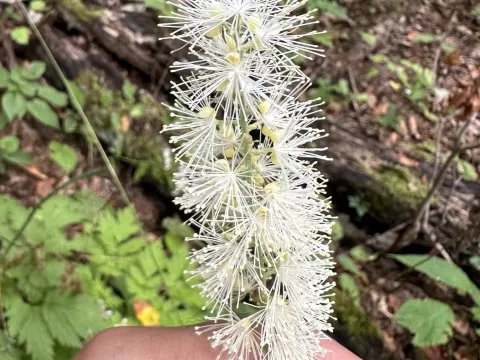
Allegheny baneberry
Actaea podocarpa
Actaea podocarpa, commonly known as Allegheny baneberry, is a distinctive perennial belonging to the Ranunculaceae family. Native to the forested mountain regions of North America, it thrives in cool, moist habitats characterized by deep, dappled shade.
What the section contains
Allegheny baneberry
The successful cultivation of this species requires a location that mimics its natural woodland environment. It must be shielded from intense afternoon sunlight, which can quickly dehydrate the plant and cause irreparable damage to its delicate, fern-like foliage.
The soil should be rich in organic matter, loose, and well-draining, yet capable of retaining moisture throughout the growing season. Incorporating leaf mold or compost into the planting site is essential to provide the nutrients required for vigorous growth.
Consistent irrigation is a cornerstone of its maintenance. Even short periods of drought can hinder the plant's development and reduce its ornamental value, so gardeners must monitor the soil moisture levels carefully, especially during dry spells.
Regarding agrotechnical management, adding a thick layer of organic mulch around the base of the plant is highly recommended. This practice helps to preserve soil humidity, suppress weeds, and provide additional winter protection for the root system.
Pathogenic fungi represent the primary threat to Actaea podocarpa, especially when grown in stagnant or poorly ventilated environments. Excess soil moisture can lead to root rot, which is often fatal if not identified and treated early through soil modification.
Powdery mildew may occur on the leaves during periods of high humidity combined with poor air circulation. While usually not lethal, it significantly detracts from the plant's aesthetic appeal, necessitating proper spacing between individual specimens.
Slugs and snails are notorious pests for woodland perennials. They are particularly active during the spring when new, tender growth emerges. Using barriers or organic control methods can help protect the foliage from extensive browsing.
Aphid colonies may occasionally settle on the flower stalks before they open. Although rarely causing long-term damage, their presence should be monitored, and soap-based sprays can be utilized to manage infestations effectively.
Ultimately, keeping the planting area clean of decaying debris and ensuring a correct balance of moisture and airflow are the best strategies to minimize disease pressure and keep the baneberry healthy and thriving.