
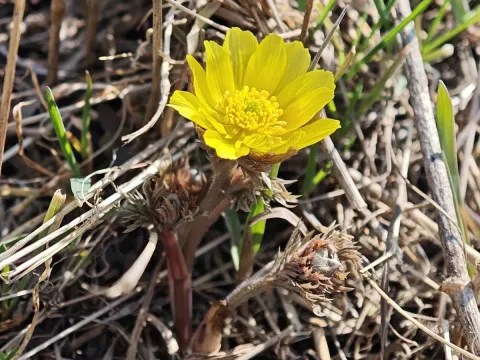
Adonis volgensis
Adonis volgensis
Sowing of Adonis volgensis seeds is best performed before winter, as the seeds require a mandatory long stratification period at low temperatures. Autumn sowing allows the seeds to undergo a natural hardening cycle, significantly improving germination rates in the spring.
What the section contains
Adonis volgensis
For spring sowing, artificial stratification in a refrigerator for 2-3 months is necessary. Seeds should be sown at a shallow depth of 1-2 centimeters to ensure the delicate seedlings can easily emerge through the soil surface.
The soil for sowing must be loose, well-aerated, and weed-free, as the young plants develop quite slowly in their early stages. Using fresh seeds is critical for this species, as viability decreases rapidly during long-term storage.
Maintain an optimal spacing of 30-40 centimeters between plants, considering the perennial nature of the culture. As the plant expands gradually, there is no need for high-density sowing during the first few years of establishment.
Choose an open, well-lit location protected from waterlogging for the nursery bed. The plant is extremely sensitive to water-saturated substrate during the seed germination phase.
Adonis volgensis belongs to the Ranunculaceae family and is a perennial herb with a robust rhizome. In the wild, it is found in steppe regions, typically preferring calcium-rich soils, often near limestone outcrops.
The crop has high light requirements: bright sunlight is essential for healthy development and blooming. In shaded conditions, the plant becomes leggy, blooming intensity declines, and its decorative value is significantly reduced.
Regarding soil structure, the plant is moderately demanding, but it struggles in heavy clay soils with high water tables. Optimal conditions include chernozem or sandy loam soils with a neutral to slightly alkaline pH.
Adonis volgensis is highly drought-tolerant, a characteristic inherited from its steppe origins. However, during the active spring growth phase, moderate watering is necessary if the spring season is particularly dry.
The plant demonstrates excellent frost resistance and can survive harsh winters without additional cover. Providing good drainage is essential to prevent root rot during the spring snowmelt period.
For medicinal purposes, the aerial parts of the plant are harvested during full bloom. This phase, when flower buds are completely open, coincides with the peak concentration of cardiac glycosides in the stems and leaves.
Harvesting is performed in dry weather, cutting the shoots at a height of 5-10 centimeters above the soil level. It is crucial to leave some stems intact to support photosynthesis and ensure plant recovery for the following season.
Drying of the harvested material should occur in well-ventilated areas or professional drying chambers at temperatures not exceeding 40-50 degrees Celsius. Exceeding this limit causes a rapid degradation of active ingredients.
The final dried product should maintain its natural green color and contain minimal impurities. Store the dry material in paper or fabric containers in a dry, dark place protected from sunlight.
When grown for ornamental purposes, harvesting is not required. In the autumn, after the foliage naturally dies back, the shoots can be carefully trimmed, leaving small stumps to mark the plant's location for the next season.
The primary diseases affecting Adonis volgensis are fungal infections such as root rot and powdery mildew. These typically emerge due to poor moisture management and water stagnation in the root zone.
To prevent the spread of rot, it is recommended to implement crop rotation and avoid the use of fresh organic manure as fertilizer. Preventive care focuses on maintaining a loose soil structure.
Pests like leaf rollers and aphids can damage young shoots and flower buds. In cases of severe infestation, systemic insecticides may be applied in accordance with regional agricultural regulations.
Slugs and snails may damage delicate spring seedlings, especially during wet weather. Control measures include using traps or specific granular molluscicides allowed for gardening use.
An important aspect of protection is timely weeding, as weeds create excessive humidity around the root collar and serve as reservoirs for various pathogenic microorganisms.