
Alpine meadow-rue
Thalictrum alpinum
Description
Growing requirements
Alpine meadow-rue (Thalictrum alpinum) is a herbaceous perennial member of the Ranunculaceae family. It is native to arctic and mountainous regions, exhibiting a resilient nature typical of alpine flora found in various northern latitudes.
The plant thrives in cool, temperate environments. When selecting a planting location, it is essential to prioritize sites with partial shade or protection from intense mid-day heat, ensuring the foliage remains vibrant throughout the growing season.
Soil quality is a fundamental requirement for this species. It prefers moist, well-draining, and slightly alkaline soils. Good aeration of the substrate is vital to prevent root distress, as the plant is sensitive to waterlogged conditions.
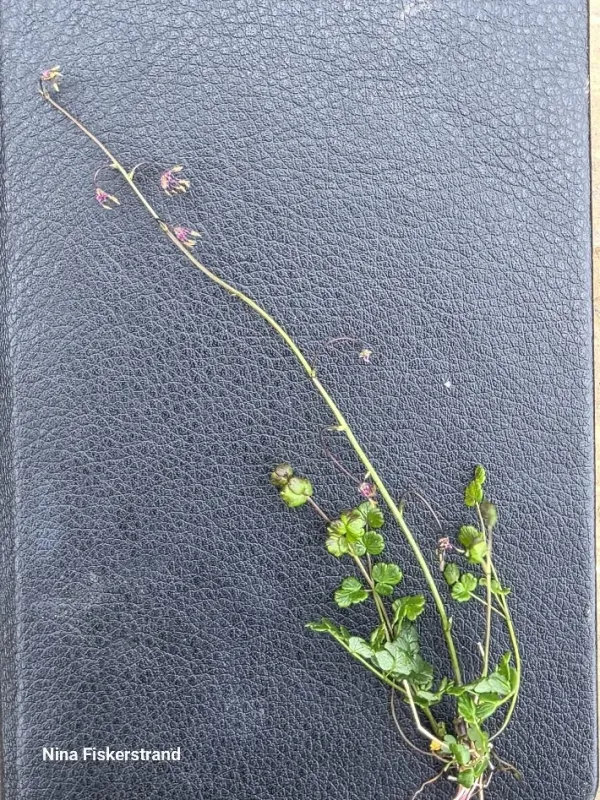
Botanically, Thalictrum alpinum is distinguished by its compact growth habit, typically reaching only a few centimeters in height. It features small, delicate flowers with drooping stamens that add an aesthetic appeal to rock gardens and alpine landscapes.
Care and maintenance involve consistent soil hydration and minimal disturbance of the root system. As a slow-growing perennial, it does not require heavy fertilizing, but occasional mulching can help maintain soil moisture and temperature stability.
Main diseases and pests
Common health issues include fungal infections such as powdery mildew, which are often triggered by high humidity and poor ventilation. Keeping the planting area tidy and allowing space for air movement is an effective preventative measure.
Pests are generally not a major concern, but localized infestations of aphids may occur during warmer spells. Integrated pest management, focusing on monitoring and gentle manual removal, is usually sufficient to maintain plant vitality.