
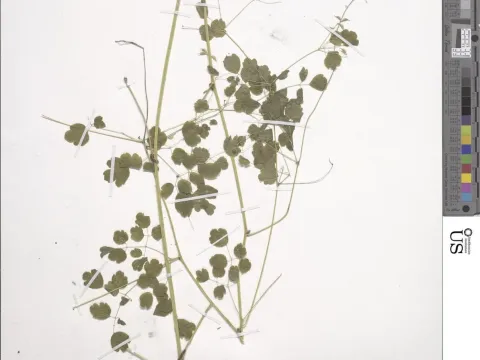
Thalictrum rostellatum
Thalictrum rostellatum
Thalictrum rostellatum, a member of the Ranunculaceae family, is a herbaceous perennial plant. Propagation is primarily achieved through seeds, which require stratification to break dormancy and ensure consistent germination rates in nursery conditions.
What the section contains
Thalictrum rostellatum
Sowing is recommended either in late autumn for natural winter stratification or in early spring using pre-treated seeds. The seeds should be sown shallowly into a fine, well-draining substrate to allow sufficient light exposure, which aids the germination process.
During the first year, the plant focuses on establishing its root system and producing a basal rosette of leaves. Maintaining constant soil moisture during this establishment phase is critical for the long-term vigor of the crop.
Vegetative propagation via division of established rootstocks can be performed in the autumn. This method is preferred in commercial settings to maintain uniformity and accelerate the development of mature plants ready for harvesting.
Field layout should prioritize proper spacing to ensure adequate airflow, which is vital for preventing moisture-related issues. Careful planning of planting density significantly impacts the overall health and yield of the herb.
This species thrives in fertile, humus-rich soils with a neutral or slightly acidic pH. Excellent drainage is non-negotiable, as the roots are highly susceptible to rot if subjected to waterlogging for extended periods.
Thalictrum rostellatum prefers cool, temperate climates with high humidity levels. While it is quite hardy, it should be protected from harsh, drying winds and excessive direct sun during the hottest parts of the day.
Organic fertilizers, such as well-rotted compost or leaf mold, should be integrated into the soil prior to planting to provide a steady supply of nutrients. Balanced mineral fertilizers can be applied sparingly during the active growth phase.
Mulching the surrounding soil helps preserve moisture and regulates the temperature around the root zone, mimicking the plant's natural habitat. Consistent irrigation is required, particularly during the peak of the growing season.
The site selection should ideally include partial shade or filtered light conditions. Excessive exposure to intense sunlight can lead to leaf scorch and reduced quality of the aerial parts used for various applications.
Fungal diseases, such as powdery mildew, are the primary threat, especially in conditions of poor ventilation and high humidity. Regular thinning of the plants helps promote air circulation and reduces the incidence of these pathogens.
Root rot is a common issue when drainage is compromised. To manage this risk, ensure the soil structure remains loose and aerated, and avoid overhead irrigation that keeps the soil surface saturated for too long.
Aphids and various foliage-feeding insects can cause significant damage to the new, tender shoots during the spring. Implementing biological pest control or using neem oil sprays is recommended for effective and safe management.
Gastropods like slugs and snails may target the succulent leaves during rainy weather. Physical barriers, such as copper tape or crushed eggshells, provide a simple and effective defense against these common pests.
Monitoring for signs of stress or pest infestation is vital for maintaining high yields. By providing optimal growing conditions, the plant's natural resilience is enhanced, allowing it to better withstand environmental pressures.