
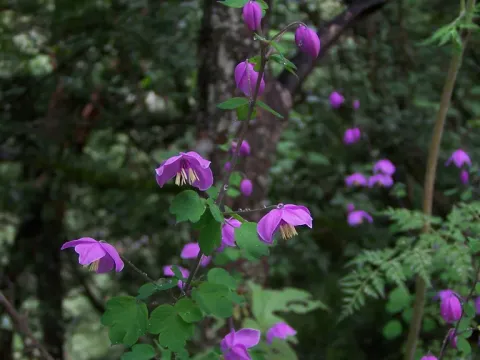
Thalictrum reniforme
Thalictrum reniforme
Thalictrum reniforme propagation is best achieved through seed sowing in late autumn to ensure natural stratification. Exposure to cold winter temperatures is essential for breaking seed dormancy and promoting uniform germination during the following spring season.
What the section contains
Thalictrum reniforme
For those opting for spring sowing, seeds must be artificially stratified in a refrigerator at temperatures between 0 and 5 degrees Celsius for at least four to six weeks. Once pre-treated, seeds are sown on the surface of a light, moist substrate and covered with a very thin layer of sand.
Light is a critical factor for successful germination, so seeds should not be buried deeply. A bright location with moderate temperature control is ideal for the seed trays to ensure the delicate seedlings develop a robust root system before transplanting.
Vegetative propagation via root division is another highly effective method, usually performed during the dormant season in early spring or autumn. Dividing the clumps allows for faster establishment and guarantees that the new plants retain the specific traits of the parent plant.
When planting out, ensure a spacing of at least 40 centimeters between individual plants to prevent overcrowding, which can lead to airflow restrictions and increased susceptibility to fungal issues as the plants mature.
As a member of the Ranunculaceae family, Thalictrum reniforme thrives in partial shade conditions, mimicking its native habitat under forest canopies. Direct afternoon sun should be avoided to prevent leaf scorch and preserve the deep color of the foliage.
The ideal soil is moisture-retentive yet well-drained, rich in organic humus, and slightly acidic to neutral in pH. Improving heavy soils with compost or peat significantly enhances root health and promotes vigorous growth throughout the summer season.
Consistent moisture is required during the growing phase, particularly in the spring and early summer. However, the substrate must never become waterlogged, as stagnant water is the primary cause of root rot in this species.
Regular fertilization with a balanced organic liquid feed during the active growth period encourages larger foliage development and more vibrant blooms. Avoiding excessive high-nitrogen fertilizers is recommended to prevent weak, leggy stems that might collapse during windy conditions.
Mulching the base of the plant with leaf mold or decomposed organic matter helps maintain soil temperature and retains moisture, effectively reducing the need for frequent irrigation during dry spells.
Powdery mildew is the most common fungal threat to Thalictrum reniforme, especially during hot, humid summers with poor air circulation. Management includes using systemic fungicides and ensuring that the planting site has adequate natural ventilation between plants.
Root rot can occur if the soil remains excessively wet for long periods, leading to the collapse of the plant. This is usually managed by amending the soil with grit or sand and choosing planting locations that are slightly elevated to improve natural drainage.
Pests such as aphids and leaf rollers may feed on the tender young leaves, causing disfigurement and reduced vigor. Monitoring plants during the late spring growth spurt allows for prompt intervention with insecticidal soaps or neem oil solutions.
In cases of severe infestation, biological controls such as predatory beetles or lacewings can be highly effective. Chemical insecticides should be used sparingly and only as a last resort to minimize the impact on beneficial pollinators visiting the flowers.
Maintaining a clean garden environment by removing dead plant debris at the end of the season helps reduce the overwintering potential of various pests and fungal spores, ensuring a healthier start for the next year’s growth cycle.