
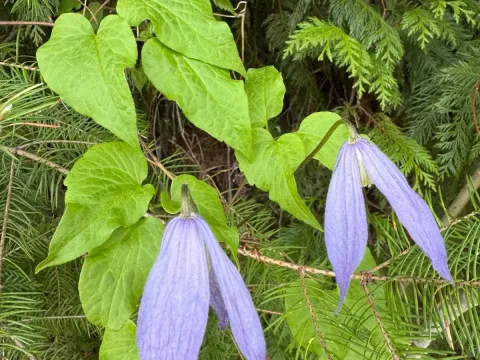
Western Clematis
Clematis occidentalis
Seeds of Western Clematis are typically sown in autumn, allowing the cold winter temperatures to naturally stratify them before spring germination.
What the section contains
Western Clematis
When sowing in containers, use a well-draining seed-starting mix and maintain consistent moisture to ensure a successful sprouting rate for this perennial vine.
Propagation through softwood cuttings in early summer is a reliable method for expanding your plant population while maintaining genetic consistency.
When transplanting into the garden, select a spot after the last frost to ensure the young root system is not damaged by unexpected freezing conditions.
Providing adequate spacing during planting prevents overcrowding and allows for optimal airflow, which is crucial for the health of mature climbing vines.
Western Clematis is a climbing perennial belonging to the Ranunculaceae family, primarily native to mountainous regions in western North America.
The plant thrives in deep, fertile, and well-drained soils, ideally with a neutral pH level, and does not tolerate waterlogged conditions near the root crown.
It prefers partial shade, particularly protecting the base of the plant from direct sunlight, which helps maintain cooler soil temperatures during the summer heat.
As a vigorous climber, this species requires sturdy vertical support, such as a trellis or fence, to anchor its leaf stalks as it ascends towards the light.
Routine care involves regular watering during dry spells and applying a balanced fertilizer in early spring to encourage robust growth and flower production.
Clematis wilt is a significant fungal threat that can cause sudden collapse of the vines, requiring immediate pruning of the affected stems to prevent spreading.
Powdery mildew often appears as a white dusty coating on the foliage during periods of high humidity and poor ventilation, which can be mitigated with fungicides.
Aphids and spider mites are frequent pests that infest tender shoots and the undersides of leaves, requiring regular monitoring and control with horticultural oils.
To keep the plants healthy, remove all diseased or dead material promptly and maintain good hygiene practices within the gardening area throughout the season.
Proper environmental management, including avoiding overhead watering, significantly reduces the likelihood of foliage diseases developing on your climbing plants.