
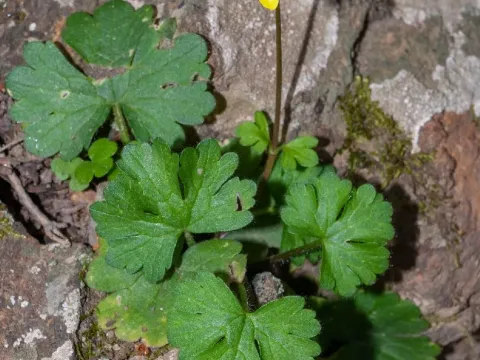
Ranunculus subhomophyllus
Ranunculus subhomophyllus
Ranunculus subhomophyllus is a perennial herb belonging to the Ranunculaceae family. It is a niche species that requires very specific ecological conditions to thrive in its natural environment.
What the section contains
Ranunculus subhomophyllus
The plant demonstrates a strong preference for moist, temperate habitats. Its root system is specifically adapted to absorb moisture from well-structured soils that remain damp throughout the spring season.
Soil quality plays a vital role in its growth. Loamy soils with a balanced nutrient profile and a neutral pH level provide the best conditions for establishing a healthy and robust root base.
In terms of climate, the plant prefers moderate temperature ranges. Extreme heat or prolonged drought can significantly restrict its growth cycle and negatively impact its survival during the vegetative stage.
Due to its specialized nature, this plant is not cultivated as an agricultural crop but is instead preserved in its native habitat to ensure the continuity of its genetic diversity and ecological function.
The primary threats to Ranunculus subhomophyllus include habitat loss, which is driven by the expansion of human settlements and changes in land management practices within its native range.
Pest populations, such as aphids and various larvae, can cause significant damage to the foliage. These pests often exploit the high water content within the stems, leading to stunted growth.
Fungal diseases are a constant threat to this species, especially in areas with poor drainage. Pathogens such as powdery mildew thrive when environmental conditions become overly stagnant and humid.
Competition from more aggressive, invasive plant species poses a major risk. As the environment changes, these intruders often crowd out the native Ranunculus, stealing critical light and nutrients.
Environmental degradation, including water pollution and excessive soil compaction, further compounds the vulnerability of this species, making it increasingly difficult for it to reproduce and spread.