
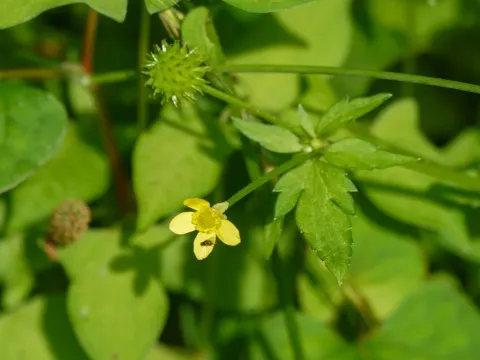
Ranunculus quelpaertensis
Ranunculus quelpaertensis
Sowing Ranunculus quelpaertensis typically occurs in the spring when soil temperatures stabilize between 10 and 12 degrees Celsius. Seeds require a cold stratification period of 30 to 45 days to ensure high germination rates.
What the section contains
Ranunculus quelpaertensis
The seeds should be sown at a shallow depth of 1-2 centimeters. Because they are quite small, they require sufficient light to germinate effectively, so covering them with a light layer of soil is recommended.
Preparing a fine, crumbled seedbed is essential for professional cultivation. This structure prevents the surface from drying out too quickly and ensures uniform seedling emergence across the field.
In regions with shorter growing seasons, starting plants indoors or in greenhouses is an effective strategy. Seedlings can be transplanted once the risk of frost has completely passed.
Selecting a location with good sunlight is crucial for optimal growth. While the plant can tolerate partial shade, full sun exposure generally results in more vigorous growth and higher biomass production.
Ranunculus quelpaertensis is a herbaceous perennial belonging to the Ranunculaceae family. It thrives in moist, well-drained soils that are rich in organic matter, mimicking its natural habitat.
The crop prefers loamy or sandy loam soils with a neutral to slightly acidic pH level. High nitrogen content in the soil is beneficial for the development of lush foliage, which is the primary harvest product.
The plant has high water requirements throughout the vegetative period. Consistent moisture levels in the soil are necessary to support root development and sustain active growth during the warmer months.
Effective agronomy includes frequent weeding, as Ranunculus quelpaertensis is sensitive to competition. Mulching the rows can help maintain soil moisture and suppress weed emergence simultaneously.
Potassium and phosphorus fertilization play a significant role in improving winter hardiness. Properly fertilized crops demonstrate better tolerance to temperature fluctuations during the dormant season.
The economic value of this crop is largely derived from its use in the pharmaceutical industry and landscape gardening. Biomass yield depends heavily on the intensity of the agronomic management applied.
Under intensive cultivation systems, yields of 15-20 metric tons of fresh biomass per hectare can be achieved. The number of cuts per season is determined by the local climate and growing duration.
Strategic planting density is vital for maximizing harvest yield. Proper spacing allows for efficient light penetration and sufficient nutrient uptake for each individual plant.
Pest management is a critical factor influencing final yield quality. Protecting the foliage from insect damage is essential, as the leaves are the primary commercial product for extract production.
The concentration of bioactive compounds is highest during the budding stage. Therefore, harvest timing should be meticulously planned to ensure the product meets pharmaceutical quality standards.
Fungal diseases such as powdery mildew and leaf spot are common threats to this crop. These issues are particularly prevalent in regions with high humidity and poor air circulation within the field.
Insect pests including aphids, spider mites, and certain leaf-feeding larvae can cause severe damage by consuming leaf tissue or extracting plant sap, leading to reduced vitality.
Crop rotation is the most effective preventative measure. Avoiding the re-planting of Ranunculus on the same ground for at least 3-4 years significantly reduces the risk of soil-borne pathogen buildup.
Waterlogging is a major risk, as it often leads to root rot. Installing proper drainage systems and avoiding excessive irrigation are key strategies for maintaining a healthy plantation.
Regular field scouting is recommended to identify early signs of infestation. Early intervention with suitable plant protection products can prevent small issues from becoming field-wide epidemics.
The harvest should be conducted during the peak flowering phase. At this point, the plant contains the highest concentration of the desired active chemical compounds.
Harvesting is typically done by cutting the plants 5-7 centimeters above the soil line. This height ensures that the plant has enough resources to regenerate and produce a subsequent cut during the same season.
Once harvested, the material must be moved quickly to a processing or drying facility. Allowing the material to sit in piles can lead to heating and fermentation, which degrades the product quality.
Drying should be performed in a well-ventilated area or a controlled climate chamber at temperatures not exceeding 45 degrees Celsius to preserve the delicate plant constituents.
Post-harvest care involves clearing debris and providing a light fertilization to help the plants recover before the dormant winter period, ensuring a strong start for the following year.