
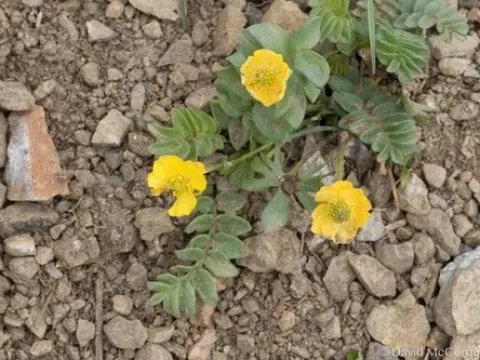
Ranunculus similis
Ranunculus similis
Ranunculus similis is a perennial herbaceous plant belonging to the Ranunculaceae family. It is typically found in specific environments, characterized by consistent moisture and cool temperatures, often associated with high-altitude meadows.
What the section contains
Ranunculus similis
The plant requires well-drained, nutrient-rich soil to thrive. It is sensitive to waterlogging, yet it demands high soil moisture content, which necessitates a carefully planned irrigation schedule during dry spells.
Regarding climate, Ranunculus similis prefers a temperate environment. It is not well-suited to regions with prolonged extreme heat, which can lead to rapid wilting and reduction in overall plant vigor.
Cultivation practices involve regular soil aeration to maintain oxygen availability for the root system. Mulching is highly recommended to regulate soil temperature and prevent excessive evaporation of water from the substrate.
In modern horticulture, this species is utilized for its ornamental value in landscaping, particularly in rock gardens or specialized floral borders that replicate its natural habitat requirements.
The primary threats to Ranunculus similis include various fungal pathogens such as downy mildew and leaf spot diseases, which flourish under conditions of high humidity and poor airflow.
Insect pests, specifically aphids and spider mites, pose a significant risk during warmer months. These pests can cause significant deformation of new growth if left untreated.
Root system health is often compromised by soil-borne pathogens. Maintaining adequate spacing between individual plants is essential to reduce the risk of secondary infections spreading through the population.
Integrated pest management strategies should include the periodic application of broad-spectrum fungicides and monitoring for early symptoms of infestation to minimize crop damage.
Proper sanitation, including the removal of dead or decaying plant debris, is a fundamental agricultural practice to limit the overwintering of pathogens and pests within the cultivation area.