
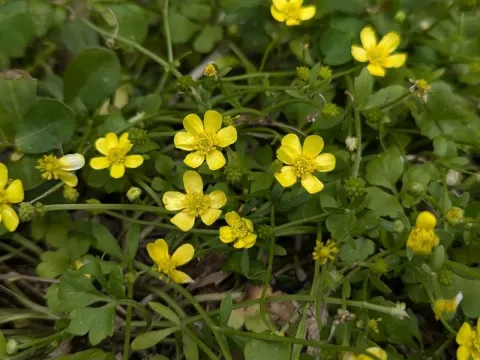
Ranunculus ternatus
Ranunculus ternatus
The sowing of Ranunculus ternatus is primarily carried out in the spring, once the soil temperature reaches approximately 10–12 degrees Celsius. To ensure uniform germination, seeds often require a period of stratification, so autumn sowing in prepared soil is also a common practice.
What the section contains
Ranunculus ternatus
The seeds should be sown at a depth of no more than 1–2 centimeters, as these small seeds have limited energy reserves. It is crucial to maintain optimal planting density to prevent excessive competition between the young seedlings as they establish their root systems.
For commercial cultivation in specialized nurseries, seeds are sown into trays with a nutrient-rich substrate, which allows for precise climate control during the early stages of development. Once the plants reach the 3-4 leaf stage, they are transplanted into open ground.
The selection of a planting site must account for the need for protection from direct midday sun, particularly in southern regions. It is highly recommended to use spacing schemes that ensure adequate air circulation between individual plants to prevent moisture buildup.
Post-sowing irrigation should be moderate to avoid displacing seeds from the top layer of the soil. Consistent soil moisture during the germination phase is critical for the overall viability and survival rate of the crop.
Ranunculus ternatus, a member of the Ranunculaceae family, prefers moist, well-drained soils with a high content of organic matter. The optimal soil pH for this species typically ranges from slightly acidic to neutral levels.
This plant adapts well to semi-shaded environments, making it a viable candidate for landscaping in garden settings or areas with sparse tree cover. It possesses moderate cold tolerance and can successfully overwinter in temperate climate zones.
The plant has high moisture requirements and reacts negatively to prolonged drought or substrate desiccation. In conditions of insufficient watering, the plant quickly loses its ornamental value, and vegetative growth slows significantly.
The crop responds positively to the application of balanced mineral fertilizers during its active growth period. Nitrogen-based top dressing at the beginning of the season promotes leaf mass development, which is essential for forming a healthy rhizome system.
Successful cultivation requires the prevention of water stagnation in the root zone, as this can lead to root rot. Installing a proper drainage system is a mandatory agrotechnical requirement when working with heavy clay soils.
The primary threats to Ranunculus ternatus include fungal diseases such as powdery mildew and various types of root rot. The proliferation of these pathogens is usually triggered by high air humidity and poor ventilation within the planting beds.
Among the pests, aphids and spider mites can cause significant damage by feeding on the cell sap of young leaves and flower buds. Regular monitoring of the plants allows for the early detection of infestations, enabling localized treatment before the problem spreads.
For pest control, modern contact and systemic insecticides are utilized. It is imperative to strictly adhere to label dosage instructions to minimize any potential negative impact on beneficial pollinating insects present in the garden.
Preventing viral diseases, often transmitted by sap-sucking insects, involves controlling weeds that may act as intermediate hosts for pathogens. Clearing plant debris in the autumn significantly reduces the risk of reinfection in the following season.
If root rot symptoms appear, the affected plant must be removed immediately along with its root ball, and the surrounding soil should be treated with fungicides. Practicing crop rotation and avoiding monoculture are key strategies for maintaining overall site health.