
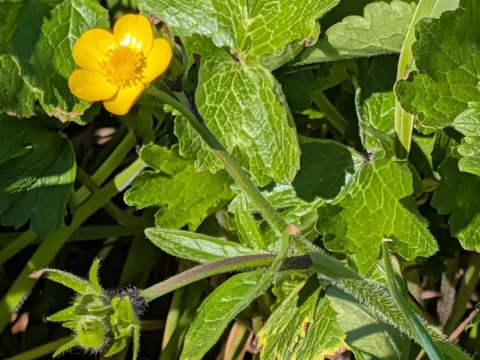
Large-leaved buttercup
Ranunculus macrophyllus
The sowing of the Large-leaved buttercup is generally performed in the autumn season or early spring. Pre-sowing seed stratification is highly recommended to improve germination rates significantly.
What the section contains
Large-leaved buttercup
Seeds should be placed at a depth of approximately 0.5 to 1 cm. Shallow planting is crucial, as the seeds require slight access to light and oxygen for optimal sprouting and early development.
When grown in nursery beds, seeds are sown into prepared trays with loose, well-draining soil. Seedlings are thinned or transplanted once they reach the two-leaf stage to ensure sufficient room for root expansion.
For field production, ensure the seedbed is free from weeds and properly leveled. Maintaining consistent soil moisture during the germination period is critical to establish a uniform crop stand.
In regions with fluctuating spring temperatures, it is advisable to use covering materials to protect emerging sprouts from sudden frost events, which can retard the growth rate of young plants.
The Large-leaved buttercup thrives in locations with full sun to partial shade. The species is quite demanding regarding moisture levels and performs best in sites with constant access to water.
The ideal soil profile for this crop consists of fertile, organic-rich loams with a pH between 6.0 and 7.5. Good aeration is essential to prevent the accumulation of toxic gases around the roots.
Fertilization schedules should include balanced NPK applications at the beginning of the growing season. Micronutrients are also beneficial, especially in soils that have been under cultivation for several years.
Irrigation management must be precise. Over-watering can lead to root rot, especially in poorly drained soils, while drought stress significantly hampers the development of the foliage and overall biomass.
This crop is generally hardy, but it benefits from organic mulching during winter to maintain soil temperature stability, which prevents the heaving of the root system during freeze-thaw cycles.
Fungal diseases, such as powdery mildew and grey mold, are the primary concerns for this plant, particularly when air circulation is poor or humidity levels are constantly high.
Insect pests including aphids and spider mites can damage the leaves and reduce the vigor of the plant. Monitoring and early intervention with appropriate pesticides are necessary to control these infestations.
Root rot pathogens may thrive in waterlogged conditions, making proper soil drainage a key factor in protecting the longevity of the plant and its productivity throughout the season.
Slugs and snails often feed on the tender foliage, particularly during wet weather. Implementing barrier methods or baiting can effectively mitigate damage caused by these mollusks.
Sanitation practices, such as removing old leaves and debris at the end of the season, are vital to reducing the overwintering population of diseases and pests in the field.