
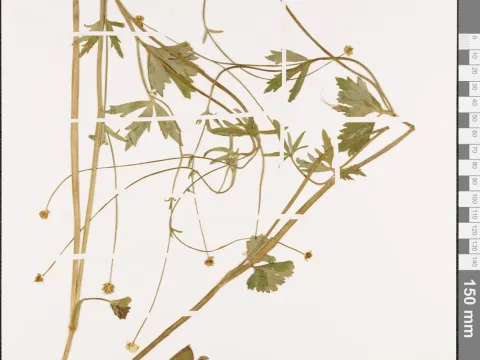
Large-flowered buttercup
Ranunculus grandiflorus
Sowing of Ranunculus grandiflorus seeds typically takes place in late winter or early spring in a climate-controlled greenhouse. The seeds require a well-draining, lightweight substrate and a constant temperature of approximately 12–15 degrees Celsius for successful germination.
What the section contains
Large-flowered buttercup
Because the seeds are light-sensitive, they should not be buried deep. Instead, they are sown on the surface and pressed lightly into the soil to ensure proper contact while allowing light to reach the embryo, which is crucial for early growth.
Transplanting into open fields occurs only after all risks of frost have passed. These plants are sensitive to cold, so waiting until the soil has warmed up to at least 15 degrees Celsius is essential for establishing strong root systems in the new environment.
Stratification of seeds at a low temperature for about a month prior to sowing is a recommended agronomic practice to break dormancy and ensure uniform emergence of seedlings across the nursery tray.
Spacing the plants 20–25 centimeters apart is recommended to provide sufficient room for air circulation, which helps in preventing excess moisture buildup and fungal growth during the primary growth phase.
Ranunculus grandiflorus belongs to the Ranunculaceae family and thrives in fertile, well-draining loam soils with a neutral pH level. Proper soil preparation, including adding organic matter, enhances nutrient uptake and overall crop health.
Sunlight exposure is a primary requirement; however, in regions with intense summer heat, light afternoon shading is necessary to prevent petal burning and premature plant dormancy. Balancing light intensity is key to maintaining vibrant flower color.
Watering should be consistent but moderate. Over-saturation of the soil is the most common cause of root rot, so an efficient drainage system must be integrated into the cultivation plan to ensure the roots remain healthy and aerated.
Temperature control is vital for this crop, with an ideal growth range between 15 and 22 degrees Celsius. When temperatures exceed this range, the plant’s metabolism speeds up, often leading to reduced flower longevity and quality.
Regular fertilization with a balanced NPK fertilizer, specifically focusing on potassium during the budding stage, promotes sturdy stems and larger, more intense flower blooms that meet market standards.
The yield of Ranunculus grandiflorus is measured by the number of high-quality stems per square meter. With professional management, a crop can produce a consistent output over a blooming period lasting 4–6 weeks.
Strategic deadheading of spent flowers redirects the plant's energy toward developing new buds, effectively increasing the total stem harvest during the peak of the season, provided the plant is healthy and well-fed.
Crop productivity is heavily linked to the quality of the corms planted. High-quality, disease-free corms that have been stored in cool, dry conditions during dormancy ensure better vigor and higher yield potential for the following cycle.
Post-harvest, the foliage should be allowed to wither naturally to ensure that sugars and nutrients are transported back into the corms, which is essential for next year’s vegetative production and plant strength.
Management of the density of planting is a major factor in yield optimization; higher densities can be achieved in specialized greenhouses compared to open fields due to controlled environmental conditions.
Root rot, often caused by Pythium species, remains the primary threat in damp or poorly drained soils. Prevention through soil sterilization and regulated irrigation schedules is more effective than attempting to treat the infection once established.
Powdery mildew represents a significant risk in greenhouse environments with stagnant air. Increased ventilation and the application of appropriate systemic fungicides at the first sign of white dust on foliage are necessary to curb the spread.
Pests like aphids and spider mites can cause substantial damage to the leaves and developing buds. Implementing integrated pest management (IPM) strategies, including biological control agents or targeted insecticides, is essential for maintaining crop quality.
Nematode infestations in the root zone can stunt plant growth and reduce overall yields. Crop rotation and using resistant varieties or certified disease-free planting stock are the best defense mechanisms against soil-borne pests.
Slugs and snails are particularly problematic during the early establishment phase and in humid conditions, requiring the use of protective barriers or bait to keep the young succulent plants safe from destruction.
Harvesting should be performed when the buds are showing color but have not yet fully opened. This stage ensures that the flowers have the longest vase life and can withstand the logistics of transport without damage.
Cutting must be done using a sterile, razor-sharp knife or shears to prevent tissue bruising and the spread of pathogens. Early morning harvests are preferred as the plant's turgor pressure is at its highest, ensuring a fresher product.
After harvest, stems should be placed in clean, cool water immediately. The use of floral preservatives can significantly inhibit bacterial growth in the water, which in turn extends the consumer-end life of the stems.
Storage of cut stems in a refrigerator at 2–4 degrees Celsius is standard practice for professional growers, allowing for temporary stock holding without compromising the flower quality for several days.
At the end of the season, corms should be lifted from the soil, dried in a shaded area, and cleaned before being stored in peat moss in a cool, dark environment to prepare for the subsequent growing period.