
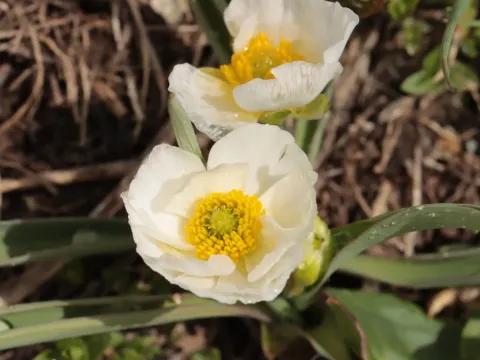
Kuepfer's buttercup
Ranunculus kuepferi
Kuepfer's buttercup (Ranunculus kuepferi) is a perennial herbaceous species belonging to the Ranunculaceae family. It is native to the high-altitude regions of the Alps, where it thrives in rocky crevices and alpine meadows.
What the section contains
Kuepfer's buttercup
The botanical structure of the plant consists of a basal rosette of leaves and short flowering stalks, typical for plants adapted to high mountain elevations. Its growth habit is compact, which provides significant protection against the harsh winds of its natural habitat.
Agricultural requirements for this species include well-drained, gritty soils that mimic alpine conditions. It prefers full sun exposure and is highly adapted to cool mountain temperatures, making it sensitive to heat stress in lowland regions.
Proper cultivation involves careful moisture management; while the plant requires consistent moisture during its spring growing season, it needs excellent drainage to prevent root rot during the dormant summer period. It is unsuitable for heavy, clay-based garden soils.
The primary use of Ranunculus kuepferi is in specialized ornamental horticulture. It is highly valued by collectors of alpine flora for its beauty in rock gardens, scree beds, and specialized nurseries focusing on rare mountain species.
The most common health issues for the plant are fungal diseases, often caused by inadequate aeration and waterlogged soil conditions. Proper site preparation with gravel or sand is essential to prevent these pathogens from establishing in the root zone.
In terms of pests, mollusks such as slugs are the most significant threat to the foliage. Monitoring and early intervention are necessary during humid periods. Aphids may occasionally infest the plant, though they are generally less damaging than gastropods.