
Kytmanov globeflower
Trollius kytmanovii
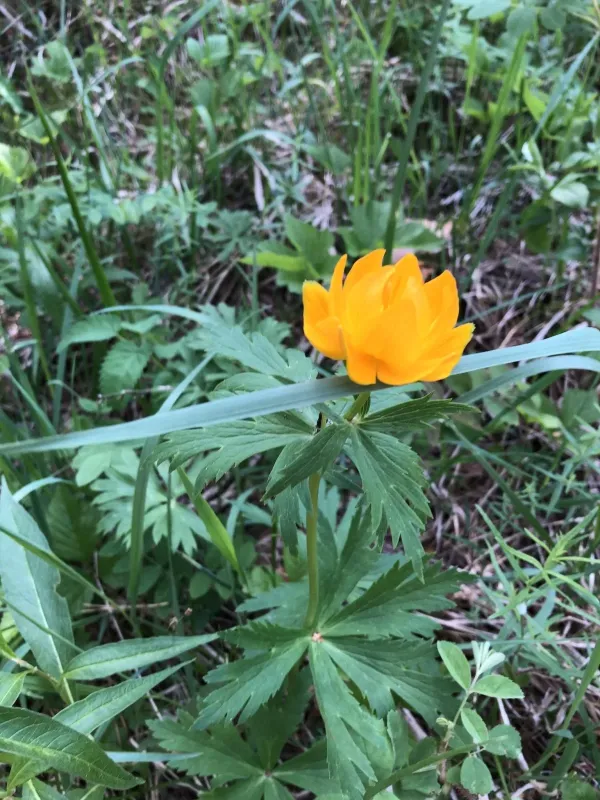
Description
Growing requirements
Kytmanov globeflower (Trollius kytmanovii) belongs to the Ranunculaceae family. It is a perennial herbaceous plant native to Eastern Siberia, well-known for its impressive cold tolerance and ability to thrive in challenging climates.
The plant requires fertile, moisture-retentive loamy soils with excellent drainage. It is critical to avoid waterlogging, as the root system is sensitive to excessive moisture and may succumb to rot if left in poorly drained substrate.
Optimal growth is achieved in sunny locations, although the plant can tolerate partial shade during the heat of the day. A cool, humid microclimate is essential to preserve the health of the foliage and ensure consistent flowering throughout the season.
Cultivation practices involve regular mulching around the base of the plant, which maintains moisture levels and protects the roots from overheating during summer. Supplemental irrigation should be provided during dry spells to ensure steady development.
Primarily used in ornamental horticulture, this species is highly valued in landscape design. Its cold hardiness makes it an excellent candidate for rock gardens, water-side plantings, and perennial borders in temperate climatic zones.
Main diseases and pests
The most significant threats to the Kytmanov globeflower are fungal diseases, including Septoria leaf spot, which are frequently triggered by high humidity levels and poor ventilation between individual plants.
Insect pests, such as aphids, spider mites, and leaf-eating beetles, represent a major concern. These pests can rapidly colonize the foliage and deplete the plant's resources if left untreated during the growing season.
Preventative measures include maintaining clear space between plants to encourage air circulation and removing any decayed organic matter that could harbor spores or overwintering insects.
Effective pest management relies on early detection and the use of appropriate insecticidal treatments. Integrated pest management strategies are recommended to keep damage levels to a minimum while protecting beneficial fauna.
Proper soil fertility management and balanced nutrition are crucial, as over-fertilization with nitrogen can create soft tissue that is more susceptible to both pathogenic infections and pest attacks.