
Liverleaf
Hepatica
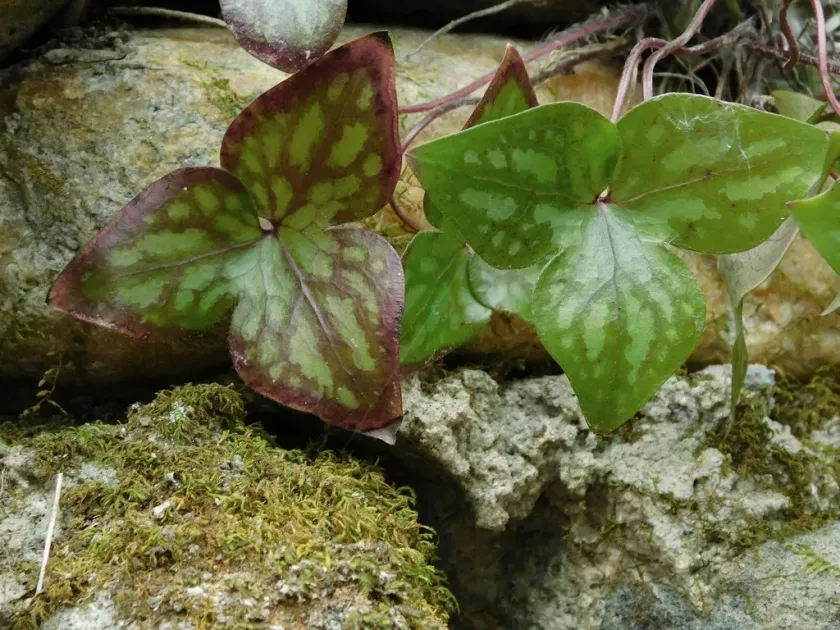
Description
Sowing dates
Liverleaf (Hepatica) belongs to the Ranunculaceae family and is a popular woodland perennial appreciated for its early spring blooms. In agricultural and horticultural contexts, it is propagated either by seed or by division of established clumps.
Seeds must be sown immediately after collection, as they have a short viability period. Freshly harvested seeds should be placed in moist, organic-rich soil to mimic their natural forest environment for successful germination.
Division is the most effective method for cloning specific varieties. This process is best performed immediately after the flowering period ends, when the plant begins to produce new foliage and its root system is most active.
When sowing seeds, it is essential to allow for a period of stratification. Sowing in late summer or autumn usually ensures that the seeds experience the necessary winter cold, leading to germination in the following spring.
The growth rate from seed is slow; therefore, patience is required as the plants often take two to three years to reach a flowering size. Maintaining a consistent microclimate is key to successful establishment.
Growing requirements
Liverleaf thrives in shaded or semi-shaded locations. It requires soil that is rich in leaf mold, well-draining, and consistently moist, reflecting the conditions found in mixed deciduous forests.
The plant is highly hardy and can withstand freezing temperatures quite well. However, it requires protection from harsh, drying winds and excessive direct summer heat, which can lead to rapid wilting.
Regarding soil pH, Liverleaf prefers neutral to slightly alkaline conditions. It is particularly fond of soils that have been enriched with crushed limestone or leaf litter, which improve both nutrient content and drainage.
Mulching is a standard agricultural practice for this plant, as it keeps the roots cool and prevents the surface from drying out too quickly. Applying a thin layer of organic mulch annually is highly recommended.
Watering requirements remain moderate; the soil should never be allowed to dry out completely during the growing season. At the same time, water must not stagnate, as the roots are prone to oxygen deprivation.
Main diseases and pests
The main threats to Liverleaf are fungal infections, particularly leaf spot and powdery mildew. These diseases typically manifest in environments with poor air circulation or prolonged high humidity levels.
Root rot is a critical threat, especially in areas with heavy clay soil or insufficient drainage. Once established, this rot can quickly kill the entire root system, making site preparation essential.
Slugs and snails are the most prominent pests, capable of destroying emerging buds and tender leaves overnight. Protective barriers or regular manual removal are necessary during the early spring growth phase.
Nematodes are another concern that can weaken the plant by attacking the root system, leading to stunted growth. Using certified disease-free stock is the primary method of preventing such infestations.
To maintain plant health, it is advisable to remove old foliage that shows signs of fungal infection before the new growing season begins. Maintaining tidy, well-drained planting beds is the best defensive strategy.