
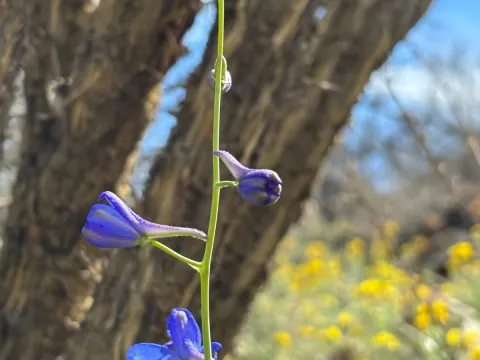
Scapose larkspur
Delphinium scaposum
Delphinium scaposum seeds require a period of stratification to break dormancy. Sowing should ideally occur in late autumn, allowing the seeds to experience natural winter temperatures, which promotes uniform germination in the spring.
What the section contains
Scapose larkspur
For indoor propagation, seeds can be placed in a refrigerator for several weeks before sowing. Use a well-draining seed starting mix and cover the seeds lightly, as they need darkness to germinate effectively in the early stages.
Seedlings should be transplanted once they have developed their first true leaves. It is essential to handle the roots gently, as the plant features a taproot that is susceptible to shock and does not recover well from significant disturbance.
Planting out into the garden bed should be done only after the risk of late spring frost has completely passed. Choose a location with full sunlight exposure to ensure the plants receive the energy required for their characteristic vertical growth.
Spacing is critical for the long-term health of the plants. Allowing at least 45 to 50 centimeters between each individual plant encourages better air circulation, which helps reduce the risk of humidity-related pathogens.
As a member of the Ranunculaceae family, Delphinium scaposum thrives in environments that provide excellent drainage. The soil should be light, rich in organic matter, and slightly alkaline to neutral in its overall pH level.
The plant is adapted to regions with seasonal aridity and does not tolerate saturated soil conditions. In heavy clay soils, gardeners must incorporate significant amounts of grit or sand to prevent the roots from remaining too wet, which leads to decay.
Optimal sunlight is a necessity for this species. While it can tolerate partial light in very hot climates, it generally performs best when receiving at least six to eight hours of direct sunlight each day to prevent stem elongation.
Fertilization should be handled with care; a balanced slow-release fertilizer applied in early spring is typically sufficient. Over-fertilization can result in lush foliage growth at the expense of floral production and stem strength.
Maintaining a clean, weed-free area around the base of the plant is important. Regular mulching with inorganic materials like gravel can help keep the crown of the plant dry, which is a vital practice for preventing crown rot.
Powdery mildew is the most prevalent fungal issue for the scapose larkspur, especially during seasons with high moisture and fluctuating temperatures. Using preventative fungicides and ensuring airflow can mitigate this damage.
Root and crown rot are common if the plants are over-watered or if the drainage is inadequate. Once these symptoms are observed, recovery is difficult, making prevention through site selection the most important management strategy.
The larkspur fly is a specific pest that targets the developing flower buds, leading to deformed or non-opening blooms. If this infestation is identified, systemic insecticides or manual removal of affected buds is recommended.
Slugs and snails can cause substantial damage to young plants by consuming foliage. Gardeners often use copper tape barriers or eco-friendly baits to protect their specimens during the early stages of spring development.
Aphids can accumulate on the flower spikes during hot, dry spells. If left untreated, they can cause stunted growth and transmit plant viruses. Regular monitoring allows for early intervention with mild insecticidal soaps.