
Northern wolfsbane
Aconitum lycoctonum
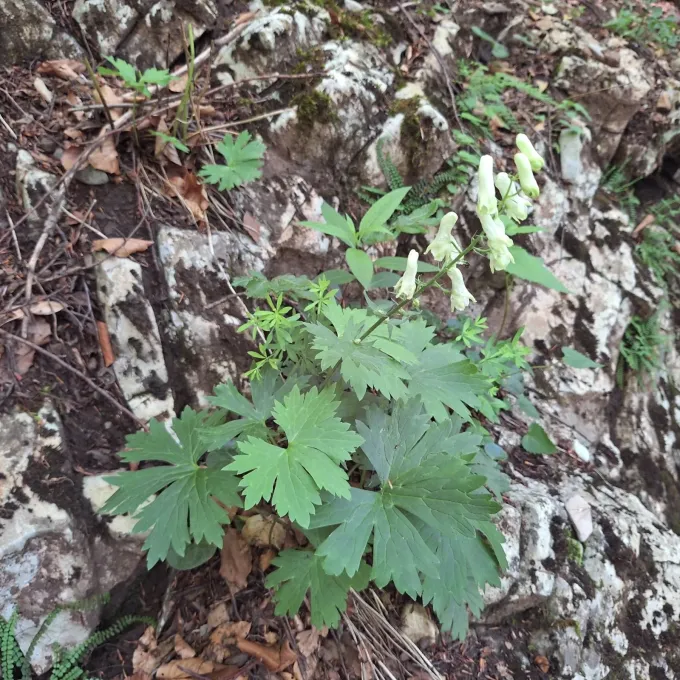
Description
Sowing dates
Sowing of Aconitum lycoctonum should ideally be carried out in late autumn, as the seeds require a prolonged period of cold stratification to break dormancy.
If sowing is postponed until spring, seeds must be artificially stratified in a refrigerator at low temperatures for at least two to three months.
The seeds should be sown at a shallow depth of approximately 1 cm, ensuring the soil remains moist but not waterlogged during the germination phase.
Proper density of seeds in nursery beds is crucial to prevent competition for nutrients during the early stages of seedling development.
Transplanting the seedlings to their permanent location is best performed when the plants reach a height of 10-15 cm and show robust root growth.
Growing requirements
As a member of the Ranunculaceae family, the northern wolfsbane thrives in environments that simulate its natural forest habitat, specifically semi-shaded areas.
The soil must be rich in organic matter, slightly moist, and possess a granular structure to ensure adequate drainage and aeration for the roots.
The plant demonstrates significant hardiness, allowing it to survive extreme temperature drops, which makes it suitable for varied continental climates.
Consistent irrigation is required, particularly during the peak of summer, to prevent the foliage from wilting and to support the metabolic needs of the plant.
Application of organic mulching around the base of the plant helps maintain soil temperature stability and suppresses the growth of competitive weeds.
Main diseases and pests
Powdery mildew is the most significant fungal disease for this crop, often exacerbated by poor air circulation and high humidity levels in late summer.
Root rot can become a severe problem if the soil structure is too dense or if the planting site lacks an effective drainage system for excess water.
Aphids and spider mites are known to colonize the undersides of the leaves, which can cause chlorosis and stunt the growth of the wolfsbane plants.
Integrated pest management strategies should be applied, focusing on biological controls before resorting to heavy synthetic chemical interventions.
- Use of fungicide sprays as a preventative measure during rainy seasons.
- Manual removal of affected leaves to contain the spread of fungal spores.
- Monitoring soil moisture levels to avoid saturated conditions for the roots.