
Western white clematis
Clematis ligusticifolia
Description
Growing requirements
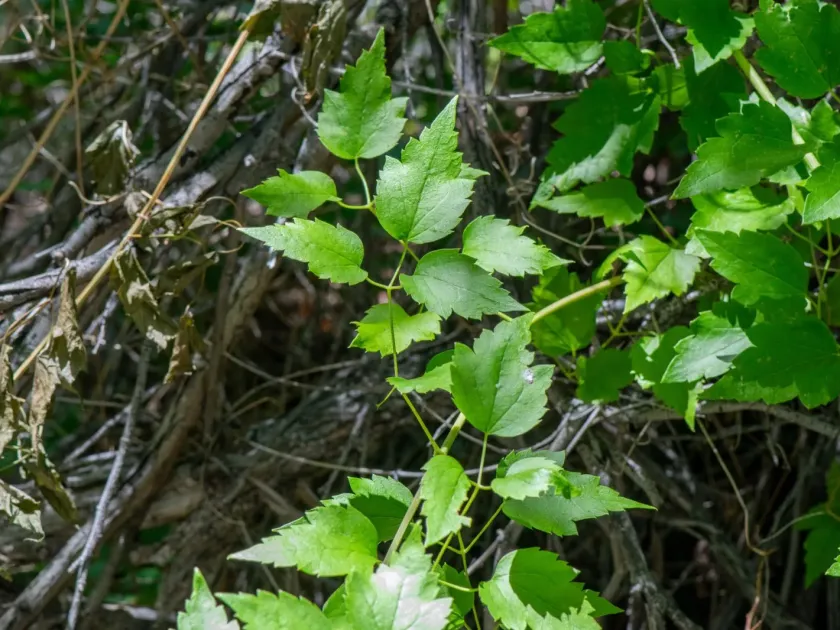
Clematis ligusticifolia, commonly known as Western white clematis, is a perennial, woody climbing vine belonging to the Ranunculaceae family. Native to western North America, this vigorous species typically inhabits riparian zones, canyon bottoms, and forest edges, where it thrives by climbing over shrubs and trees.
The plant exhibits remarkable adaptability to various soil types, ranging from sandy loams to heavier clay-based soils, provided they offer adequate drainage. It is classified as a sun-loving species that requires full solar exposure to produce its characteristic dense clusters of small, white flowers throughout the growing season.
Agronomic management of this species involves providing sturdy trellises or support systems to accommodate its rapid vertical growth habit. The vine utilizes its leaf petioles as tendrils to grasp onto available structures, making it an excellent candidate for rapid vertical greening and covering unsightly fences or structures.
Regarding moisture requirements, the plant is relatively drought-tolerant once established; however, during the initial planting stages and periods of extreme heat, supplemental irrigation is essential to support root development. Mulching the base of the plant is recommended to maintain cool root temperatures, which is a common practice for most Clematis species.
In terms of хозяйственное использование (agricultural and landscape utility), this vine is primarily valued for its rapid growth rate, making it an ideal choice for erosion control on slopes and for aesthetic screening in gardens. It is also an important nectar source for pollinators during late summer and autumn months.
Main diseases and pests
The primary pathological threats to this species include fungal infections such as powdery mildew, which can significantly affect foliage health in poorly ventilated environments. Maintaining proper spacing between plants and avoiding overhead irrigation during humid weather are critical preventative measures for growers.
Insect pests such as aphids, spider mites, and scale insects can occasionally cause damage to the tender foliage and stems. Integrated pest management strategies, including the use of horticultural soaps or selective insecticides, should be implemented if pest populations reach economic injury levels to maintain plant vitality.