
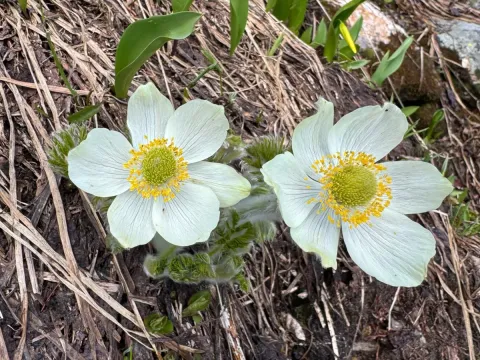
Western pasqueflower
Anemone occidentalis
Western pasqueflower (Anemone occidentalis) is a herbaceous perennial belonging to the Ranunculaceae family. It is native to the subalpine and alpine regions of western North America, typically found in meadows and rocky slopes at high elevations.
What the section contains
Western pasqueflower
Botanically, this species is known for its finely divided, fern-like leaves and solitary, white or cream-colored flowers that emerge early in the season. After flowering, the plant produces distinctive, feathery seed heads that remain ornamental for several weeks.
To cultivate this plant successfully, one must replicate its natural alpine habitat. It requires a well-draining, gravelly, or sandy soil with a neutral to slightly acidic pH. Poor drainage is the most common cause of failure in domestic garden settings.
The plant thrives in cool to cold climates and requires plenty of direct sunlight during the growing season. It is not well-suited for hot, humid regions and often struggles in low-altitude gardens with high summer temperatures.
In terms of usage, Western pasqueflower is primarily valued as an ornamental specimen in rock gardens and specialized alpine beds. It is sought after by enthusiasts of native high-altitude flora for its unique growth habit and aesthetic seed structures.
The most significant threat to Anemone occidentalis is root rot caused by poor soil drainage and waterlogging. Ensuring a sharp drainage layer beneath the plant is essential to prevent fungal colonization of the root system.
Powdery mildew can affect the foliage during periods of low air circulation or high humidity, necessitating proper spacing and site selection to promote natural airflow around the plants.
Aphids are common pests that may attack young flower buds, leading to stunted growth or deformed blooms. Integrated pest management, including monitoring and gentle biological control, is recommended.
Slugs and snails can cause significant damage to the lush, dissected leaves, particularly in the spring. Protective barriers or traps should be used in areas where these gastropods are prevalent.
Soil-borne pathogens and nematodes can compromise the plant's health, particularly in older specimens. Regular soil health checks and the avoidance of chemical fertilizers that disrupt local soil microflora are advisable.