
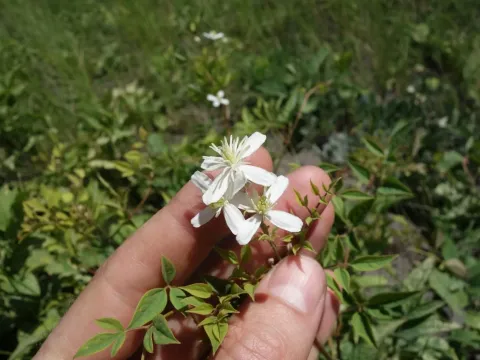
Clematis lathyrifolia
Clematis lathyrifolia
Clematis lathyrifolia is a perennial herbaceous vine belonging to the Ranunculaceae family. This species is known for its vigorous climbing habit and its utility in both ornamental gardening and vertical landscaping.
What the section contains
Clematis lathyrifolia
Originating from Central and Eastern Asia, this species thrives in temperate zones. It requires a planting location that receives full sun or partial shade, with specific attention given to keeping the root zone cool and shaded.
The ideal soil for this plant is well-drained, humus-rich, and neutral to slightly alkaline. Heavy clay soils must be amended with organic matter to improve aeration and facilitate root development.
Consistent moisture is necessary throughout the growing season, particularly during the flowering phase. However, the plant is intolerant to waterlogged soils, which can lead to rapid root degradation.
Regular maintenance includes training the vines onto suitable supports such as trellises or fences. Pruning is usually carried out in early spring to remove dead wood and encourage new growth from the base of the plant.
Clematis wilt, caused by various fungal pathogens, is the most significant threat to the plant's health. Affected stems must be removed immediately, and the soil should be treated with appropriate fungicides.
Aphids and spider mites are the most common pests found on the foliage. Integrated pest management, including the use of neem oil or insecticidal soap, is effective for keeping populations under control.
Powdery mildew often affects plants grown in environments with poor air circulation. Thinning out the canopy through strategic pruning helps prevent this condition from spreading.
Slugs and snails can cause significant damage to young shoots in early spring. Installing physical barriers or using non-toxic bait is recommended to protect the tender growth of the vine.
Nematodes in the soil can potentially impact the root vigor, leading to yellowing leaves and stunted growth. Maintaining high soil health and using compost helps the plant develop resistance to these soil-borne pests.