
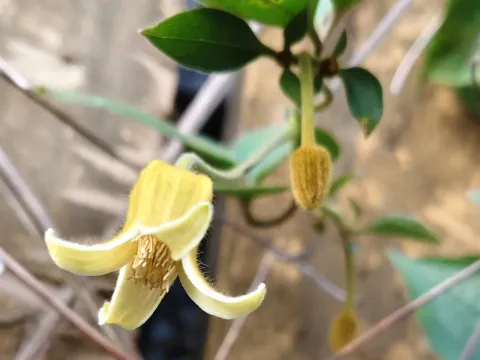
Clematis leschenaultiana
Clematis leschenaultiana
Clematis leschenaultiana is an evergreen woody vine belonging to the Ranunculaceae family. The plant features strong, climbing stems that can reach significant heights when provided with a suitable support structure.
What the section contains
Clematis leschenaultiana
Its natural habitat encompasses the mountainous regions of East and Southeast Asia, including parts of China and Vietnam. The plant thrives in moist, forested environments characterized by mild winters and high atmospheric humidity.
Successful cultivation requires fertile, well-draining soils with a neutral or slightly acidic pH balance. A key requirement is protecting the root zone from excessive heat while ensuring the upper parts of the vine receive sufficient light.
In garden settings, this species shows moderate cold tolerance, requiring winter protection in regions with harsh climates. Proper care includes consistent irrigation during dry spells and mulching the base to maintain moisture.
The primary use of Clematis leschenaultiana is ornamental, making it an excellent choice for vertical landscaping on pergolas, trellises, and garden fences, prized for its dense leathery foliage and pubescent stems.
Common diseases for this species include fungal infections such as powdery mildew and clematis wilt, which often occur due to poor air circulation and excessive moisture retention in the soil.
Pests that pose a significant threat include spider mites and aphids, which multiply rapidly during warm, dry weather and cause damage to young leaves and growing tips.
Control strategies for fungal diseases involve the application of copper-based fungicides or systemic chemical treatments, while timely insecticide sprays are effective against insect infestations.
Disease prevention focuses on maintaining adequate aeration through proper pruning techniques and ensuring proper spacing between individual plants to prevent the spread of pathogens.
Special care must be taken regarding the root collar, as waterlogging combined with heavy soil types frequently leads to the development of root rot and other decay-related issues.