
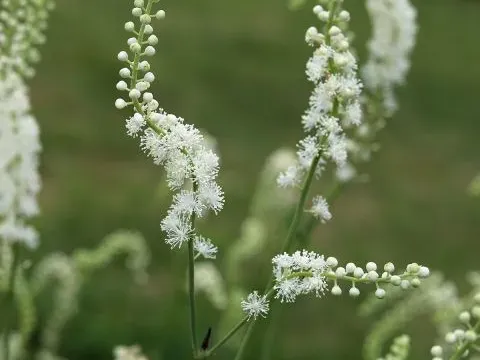
Dahurian bugbane
Actaea dahurica
Dahurian bugbane (Actaea dahurica) is a perennial herbaceous plant belonging to the Ranunculaceae family. It is a robust plant native to East Asia, primarily found in woodland areas and forest fringes where the soil is rich in organic matter.
What the section contains
Dahurian bugbane
The plant thrives in cool to temperate climates and is highly tolerant of cold temperatures. It prefers deep, moist, well-draining loamy soils with a neutral or slightly acidic pH level for optimal growth and biomass accumulation.
Agricultural success depends on providing partial shade, as the species is sensitive to intense direct sunlight which can lead to wilting and poor leaf development. Proper soil preparation is essential, requiring deep tillage before planting.
Maintenance involves keeping the soil consistently moist during the first few growing seasons. Since the plant is long-lived, it is vital to keep the field free of invasive weeds during the establishment phase.
Commercially, Actaea dahurica is highly valued for its rhizomes, which contain biologically active triterpene glycosides used in the pharmaceutical industry for various hormone-regulating and cardiovascular treatments.
The primary threats to Actaea dahurica crops are soil-borne pathogens, particularly root rot, which typically occurs under conditions of poor soil drainage or excessive water accumulation during wet seasons.
Powdery mildew is a common foliage issue, especially in dense plantings with poor airflow. It can significantly weaken the plant, reducing its ability to store energy for the subsequent season.
Insect pests, including aphids and leaf-feeding caterpillars, can compromise plant health. Integrated pest management strategies, such as physical barriers and biological controls, are recommended.
Cultural control methods, such as removing debris and ensuring adequate spacing between plants, are the first line of defense against both fungal infections and opportunistic pests.
Crop monitoring should be routine, focusing on the early identification of chlorosis or wilting signs to intervene effectively before an infection spreads across the entire field.
Harvesting for medicinal use occurs in the autumn of the third or fourth year, when the plant enters dormancy and the leaves begin to yellow. This timing ensures the highest concentration of active compounds.
Rhizomes are lifted from the soil using mechanical harvesters. Once harvested, they must be cleaned of all soil particles, debris, and smaller rootlets to ensure the final product meets pharmaceutical quality standards.
Drying is performed in controlled-environment facilities at temperatures between 40-50 degrees Celsius. Excessive heat must be avoided to prevent the denaturation of the active medicinal ingredients.
- Cleaning the rhizomes thoroughly.
- Sorting by size and quality.
- Drying until moisture content reaches safe storage levels.
Once dried, the rhizomes are packaged in breathable materials to prevent mold growth. Proper storage in a cool, dry, and dark warehouse allows the product to remain stable for up to two years.