

Reference · Crops
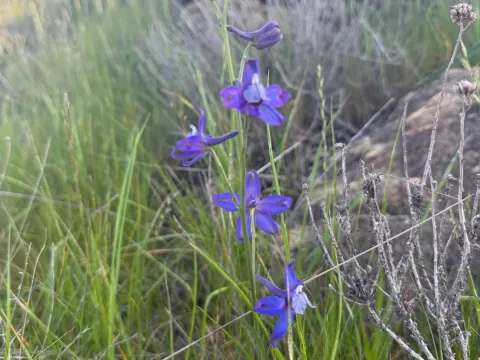
Delphinium
Delphinium L.
Delphinium seeds are typically sown in early spring or late autumn. Commercial growers often prefer starting seeds indoors under controlled greenhouse conditions to achieve better germination rates.
8
items
What the section contains
 Alpine delphinium
Delphinium elatum L.
Alpine delphinium
Delphinium elatum L.
 Cardinal larkspur
Delphinium cardinale Hook.
Cardinal larkspur
Delphinium cardinale Hook.
 Delphinium Belladonna
Delphinium x belladonna hort. ex Bergmans
Delphinium Belladonna
Delphinium x belladonna hort. ex Bergmans
 Delphinium formosum
 Boiss. & A. Huet
Delphinium formosum
Delphinium formosum Boiss. & A. Huet
 Delphinium grandiflorum
 L.
Delphinium grandiflorum
Delphinium grandiflorum L.
 Delphinium x cultorum
 Voss
Delphinium x cultorum
Delphinium x cultorum Voss
 Red Larkspur
Delphinium nudicaule Torr. & A. Gray
Red Larkspur
Delphinium nudicaule Torr. & A. Gray
 Slender Larkspur
Delphinium gracile DC.
Slender Larkspur
Delphinium gracile DC.
Marketplace
Products in this section · 7


Delphinium
Cold stratification of seeds for at least two weeks is highly recommended. This process mimics natural winter conditions and significantly increases the uniformity of seedling emergence once exposed to warmth.
Seeds should be covered with a very light layer of soil or vermiculite, as light exposure can be beneficial for the germination of certain Delphinium varieties. Consistent humidity is crucial throughout this phase.
Once seedlings develop their first true leaves, they should be carefully transplanted into larger individual pots. This transition period is essential for building a robust root system before moving to the field.
Hardening off the seedlings is a mandatory step before planting them in the permanent growing area. This ensures the young plants adapt gradually to external conditions, reducing transplant shock.
Belonging to the Ranunculaceae family, Delphinium requires a fertile, well-draining soil with a neutral pH. It thrives in locations that provide full sun while being protected from strong, damaging winds.
Water management is a key factor in successful Delphinium production. The plants require deep watering during dry spells, especially during the bud formation phase, to ensure high-quality flower spikes.
Fertilization schedules should focus on nitrogen in early spring to support vegetative growth, followed by phosphorus and potassium to enhance blooming intensity and stalk strength.
Because of their height, many varieties require staking. This support prevents the stalks from bending or snapping during heavy rainfall or wind, which is critical for maintaining the crop's market value.
Mulching the base of the plants helps maintain soil moisture and regulates temperature. Using organic mulch, such as compost, also provides a slow-release source of nutrients throughout the growing season.
Powdery mildew is a major threat, particularly in humid climates. Preventive fungicide applications and ensuring adequate spacing between plants to improve airflow are standard best practices.
Bacterial leaf spot can cause unsightly damage to the foliage. If detected, prompt removal of affected leaves is necessary to prevent the disease from spreading throughout the entire crop population.
The Delphinium fly is a specialized pest that can cause significant damage to the plant's structural integrity. Early detection and targeted insecticide use are necessary to control populations.
Slugs and snails often feed on young shoots. Integrated pest management strategies, including the use of physical barriers and bait, are effective in protecting the crop during its early stages.
Root nematodes can negatively impact plant vigor. Implementing crop rotation and using nematode-resistant cultivars are recommended strategies for long-term soil health management.