
Aconitum sczukinii
Aconitum sczukinii
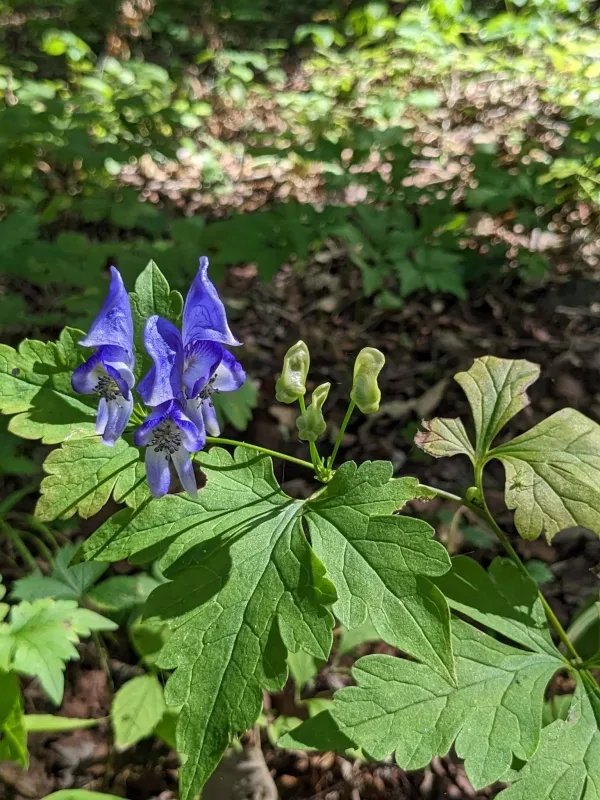
Description
Sowing dates
Aconitum sczukinii belongs to the Ranunculaceae family. It is a perennial herbaceous plant characterized by its robust rhizome and upright stems that can grow up to 1.5 meters in height.
Propagation is typically performed through seeds or rhizome division. Seeds require a stratification period, so sowing is usually done in late autumn to ensure natural chilling, which promotes successful germination in the spring.
When dividing rhizomes, it is best to perform the work in early spring or autumn. This vegetative method ensures the preservation of the plant's varietal characteristics and leads to faster establishment in the soil.
Spacing is a critical aspect of sowing or planting. Plants should be set at least 40–50 cm apart to ensure proper air circulation, which reduces the risk of fungal diseases within the plantation.
The species exhibits excellent winter hardiness, allowing it to survive in various temperate climates without specific protective covering. First shoots typically appear as soon as soil temperatures reach comfortable levels in the spring.
Growing requirements
The culture thrives in well-drained, fertile soils rich in organic matter. Loamy soils with a neutral or slightly acidic pH are ideal for its development and overall plant health.
Aconitum sczukinii prefers sites with moderate light availability. While it can withstand full sun, it performs best in partial shade, particularly in regions with hot and dry summers that could cause heat stress.
Good agricultural practice involves regular weeding and loosening of the soil surface. These measures improve aeration and moisture retention, allowing the root system to expand efficiently during the growing season.
Fertilization with organic compost or well-balanced mineral fertilizers during the active growth phase significantly boosts biomass production. However, over-fertilization should be avoided to prevent excessive succulent growth.
Effective drainage is non-negotiable for this species. Sites prone to waterlogging must be avoided, or artificial drainage systems must be installed to prevent root decay and secondary infections.
Main diseases and pests
Powdery mildew is a prevalent issue, especially in dense plantings with poor ventilation. Preventive measures include thinning the canopy and maintaining adequate spacing between individual plants.
Aphids and leaf-rolling caterpillars are common pests that feed on the foliage and flower buds. Integrated pest management, including the use of systemic insecticides, is recommended when pest pressure exceeds economic thresholds.
Root rot, caused by various soil-borne pathogens, is a significant threat in poorly drained areas. Removing infected plants and ensuring proper soil conditions are the main strategies to manage this problem.
Slugs and snails can cause substantial damage to young shoots in spring. Implementing physical barriers or using appropriate molluscicides is essential to protect young plantations from these pests.
Viral infections can affect the plant's vigor, often resulting in discolored or deformed leaves. Since there are no direct cures for viral diseases in plants, rogueing and destroying infected plants is critical for disease control.