
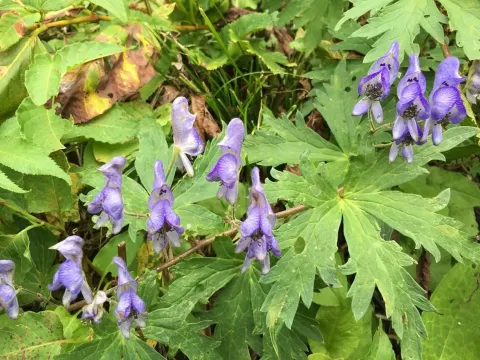
Aconitum senanense
Aconitum senanense
Aconitum senanense, a member of the Ranunculaceae family, is a perennial herbaceous plant native to the mountainous regions of Japan. It is highly regarded in horticulture for its distinct architectural form and deep blue floral spikes that bloom in late summer.
What the section contains
Aconitum senanense
Optimal growth requires well-drained, nutrient-rich soil with significant organic matter content. It thrives in locations that replicate its natural habitat, which is characterized by cool, moist environments and protection from extreme wind.
Regarding light conditions, this species performs best in partial shade. While it can tolerate deeper shade, consistent flowering requires adequate light levels. Proper moisture management is crucial, as the roots are sensitive to both waterlogging and severe drought.
The standard agronomic practice includes seasonal mulching to maintain soil coolness and moisture stability. Being a temperate climate plant, it exhibits high cold hardiness, allowing it to survive frost cycles effectively without specialized winter protection.
In terms of usage, Aconitum senanense is exclusively valued for its ornamental appeal in botanical gardens and private landscape designs. Given its inherent toxicity due to the presence of alkaloids, it is recommended to cultivate it in areas inaccessible to livestock and young children.
The plant is susceptible to fungal pathogens, most notably powdery mildew, which often appears in stagnant, humid air. Ensuring proper plant spacing and airflow are the primary cultural methods to mitigate these risks effectively.
Insect pests, including aphids and leaf miners, may occasionally infest the foliage. Monitoring programs and the application of targeted insecticides during the early growth stages are recommended to prevent excessive damage to the plant's aesthetic value.