
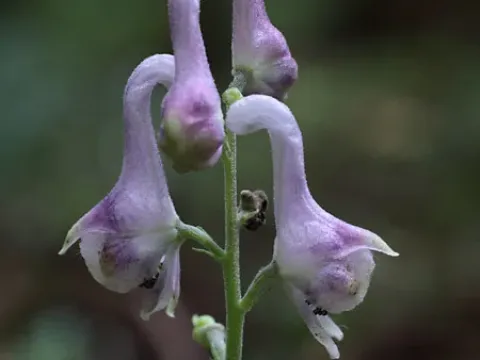
Aconitum pterocaule
Aconitum pterocaule
Sowing Aconitum pterocaule seeds is most successful when performed in late autumn, as the seeds require a period of cold stratification to break dormancy.
What the section contains
Aconitum pterocaule
For those opting for spring planting, it is necessary to artificially stratify the seeds in a refrigerator for at least two months to mimic winter conditions.
The seeds should be sown in a well-drained substrate, covering them with a thin layer of soil, no deeper than 2 centimeters to ensure proper germination.
Maintaining consistent soil moisture is crucial during the germination phase, which can often be slow and irregular for this specific species of monkshood.
Once seedlings have reached the stage of producing their first true leaves, they should be carefully thinned to provide adequate space for healthy root development.
Aconitum pterocaule, a member of the Ranunculaceae family, thrives in cool, moist, and well-drained environments typical of its native mountainous and woodland habitats.
The plant requires nutrient-rich, humus-heavy soil that maintains a slightly acidic to neutral pH, ensuring that essential nutrients are readily available for the plant.
While the species is notably shade-tolerant, it performs best in locations that offer dappled sunlight, particularly avoiding the harsh afternoon heat of midsummer.
Mulching the surrounding soil is highly recommended to regulate temperature and preserve moisture, preventing the root system from drying out during hot spells.
Proper airflow is essential for the health of the plant, as it helps prevent humidity-related issues that often affect high-density plantings of this genus.
The primary threats to this species include fungal diseases such as powdery mildew and root rot, often exacerbated by poor drainage and excessive ambient humidity.
Insect pests, including aphids and leaf-eating beetles, can occasionally cause damage to the foliage, necessitating vigilant monitoring during the active growing season.
Implementing a strict maintenance schedule that includes removing dead plant debris helps significantly in reducing the overwintering sites for various fungal pathogens.
As Aconitum species are highly toxic due to the presence of alkaloids, all handling and pest control measures must be performed using protective gloves and equipment.
Integrated pest management strategies focusing on environmental control are superior to chemical applications for maintaining the long-term health of these perennials.