
Aconitum umbrosum
Aconitum umbrosum
Description
Growing requirements
Aconitum umbrosum is a perennial herbaceous plant belonging to the Ranunculaceae family. It is typically found in forested regions and shaded habitats, which defines its biological preference for cool, humid, and low-light environments throughout the growth season.
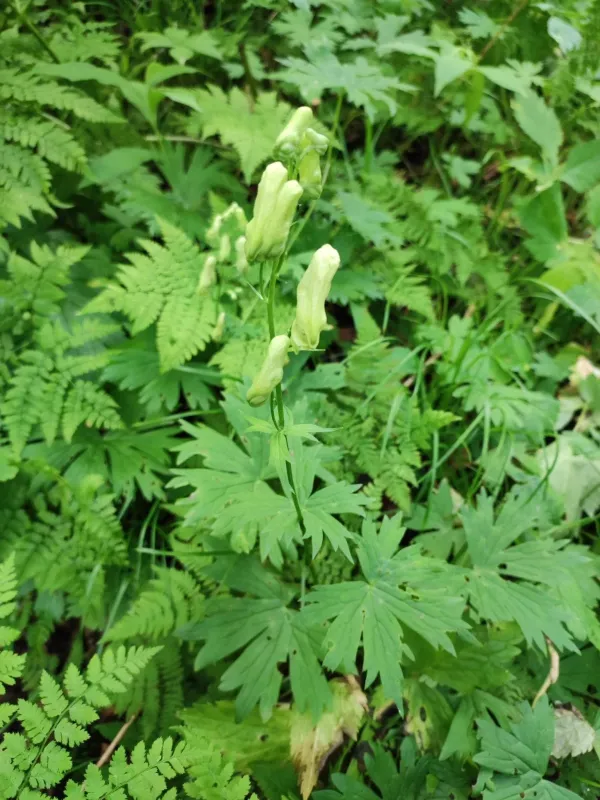
The plant features a tuberous root system that serves as a storage organ for energy, allowing for rapid vegetative growth. Its foliage is palmately divided, forming a dense basal cluster, while its inflorescences display the distinctive helmet-shaped flowers typical of the genus.
Successful cultivation requires fertile, well-draining, loamy soils that can retain moisture without becoming waterlogged. Incorporation of organic matter into the soil profile during preparation is highly recommended to support healthy long-term growth.
This species performs best in shaded or semi-shaded locations, making it an excellent choice for northern garden aspects or understory planting. It is frost-hardy and well-adapted to cooler temperate climates, where summer temperatures do not become excessively hot.
It is vital to acknowledge that Aconitum umbrosum is a toxic plant containing potent alkaloids, including aconitine. All agronomic activities, such as pruning or site maintenance, must be conducted while wearing protective equipment to avoid skin contact with the sap.
Main diseases and pests
Fungal diseases are the primary concern for this crop, with powdery mildew and various forms of root rot occurring frequently when humidity levels are excessively high and air circulation within the plant canopy is insufficient.
Pest pressures often include aphids, spider mites, and nematodes, which can cause significant damage to the leaves and roots if not monitored regularly. Early detection is critical to maintaining the plant's structural integrity and aesthetic value.
Integrated pest management strategies should focus on maintaining proper plant spacing to improve airflow, which significantly reduces the risk of fungal infections and creates a less favorable environment for pests.
Chemical control, including the use of fungicides and insecticides, should be implemented strictly according to the guidelines, ensuring that applications are timed appropriately during the early growth stages before blooming.
Gardeners should also implement cultural practices such as the removal of debris and the application of clean mulch to reduce the occurrence of soil-borne pathogens and enhance the overall health of the root system.