
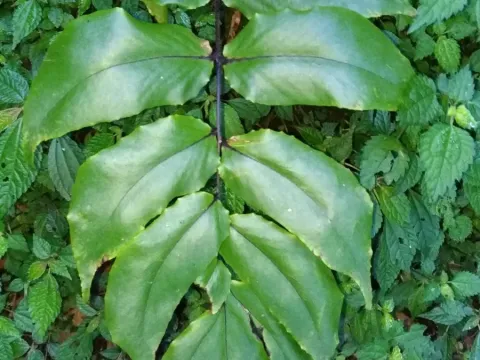
Cyrtomium macrophyllum
Cyrtomium macrophyllum
Cyrtomium macrophyllum is a perennial ornamental fern belonging to the Dryopteridaceae family. Originally native to East Asia, including China and Japan, this species is well-regarded for its robust, leathery fronds and elegant appearance in shaded landscapes.
What the section contains
Cyrtomium macrophyllum
The plant thrives in partial to full shade environments, away from harsh direct sunlight which can scorch its delicate leaflets. It is a versatile choice for both woodland gardens and interior conservatory settings where indirect light is prevalent.
Optimal growth requires a well-draining, humus-rich substrate with a slightly acidic pH level. When planting, it is crucial to ensure the root system is kept moist but not waterlogged, as stagnant water is a primary cause of physiological stress in this species.
Humidity management is essential for this fern. Maintaining levels between 60% and 75% helps prevent the tips of the fronds from turning brown and keeps the foliage vibrant and glossy throughout the growing season.
Beyond its aesthetic appeal, Cyrtomium macrophyllum is used in floristry due to the longevity of its cut fronds. In the garden, it functions effectively as a structural plant that provides year-round color in temperate or protected climates.
Common pests associated with Cyrtomium macrophyllum include scale insects and spider mites, particularly when the indoor environment becomes too dry. These pests extract sap from the plant, often weakening it if left untreated.
Root rot is the most significant disease threat, typically caused by overwatering or poor drainage systems. Pathogens such as Rhizoctonia or Pythium can easily establish themselves in wet, anaerobic soil conditions.
Effective pest and disease management involves regular plant inspections, particularly on the undersides of the fronds. Maintaining good air circulation is key to preventing fungal infections and keeping pests at bay.
If an infestation occurs, horticultural oils or mild insecticidal soaps are recommended for control. It is vital to avoid high-concentration chemicals, as ferns can be sensitive to certain pesticide formulations.
Consistent care, including the removal of dead or decaying fronds, ensures the plant remains healthy and resistant to opportunistic pathogens. Proper hygiene in the greenhouse or garden setting is the best prevention strategy.