
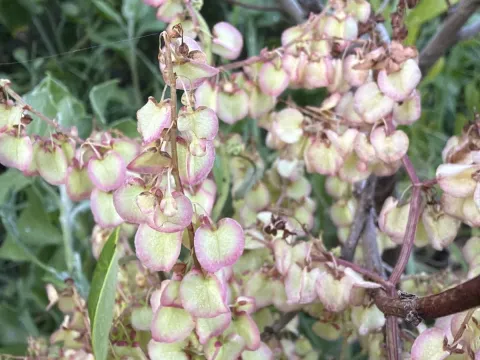
Arrow-leaved dock
Rumex sagittatus
Arrow-leaved dock, a member of the Polygonaceae family, is typically sown in early spring as soon as the soil warms up to 5-8 degrees Celsius. Autumn sowing is also an option, allowing for early spring harvests of vitamin-rich greens.
What the section contains
Arrow-leaved dock
Select a location with full sun to partial shade to ensure uniform rosette development. Sow seeds at a depth of 1-2 centimeters and maintain adequate soil moisture to facilitate rapid germination.
Space rows approximately 20-25 centimeters apart to allow for proper nutrient uptake and air circulation. Once seedlings emerge, thin them out to ensure a distance of about 10 centimeters between individual plants.
The plant exhibits a remarkable ability to regenerate after cutting, making it a long-lived addition to the garden for 3-4 years. Maintaining weed-free conditions during the early growth stages is essential for establishing a healthy patch.
While seeds remain viable for up to 3-4 years, using fresh seeds ensures the highest germination energy. Maintaining optimal plant density is crucial to prevent premature bolting and flower stalk formation.
This crop thrives in fertile, humus-rich loamy or sandy soils with a neutral to slightly acidic pH. Sufficient nitrogen levels in the soil are vital for promoting vigorous leaf growth throughout the growing season.
Arrow-leaved dock is characterized by excellent frost resistance, allowing it to survive temperate winters effectively. The root system is hardy and resumes growth as soon as temperatures rise in early spring.
Regular irrigation is necessary during dry spells, as water deficit leads to leaf coarsening and an undesirable increase in oxalic acid. However, avoid waterlogged conditions to prevent potential root rot.
For high productivity, incorporate organic matter such as compost or well-rotted manure during autumn soil preparation. Supplemental nitrogen fertilizers can be applied during the growing season to boost regrowth after harvests.
While adapted to full sun, partial shade is beneficial in hotter regions to protect the foliage from scorching during peak summer months, keeping the leaves tender and succulent for culinary use.
The primary pest is the dock leaf beetle, which can quickly consume large portions of the foliage. Regular monitoring is essential for the early detection and management of pest populations.
Rust is a common fungal disease appearing as reddish-brown spots on the leaves. Preventive measures include crop rotation and avoiding overly dense plantings that create stagnant, humid conditions around the plants.
Aphids may infest young shoots, sucking sap and causing leaf deformation. Using organic insecticidal soaps or biological control agents is recommended, as this crop is frequently harvested for fresh consumption.
Downy mildew can develop in cool, damp weather conditions. Remove and dispose of any infected leaves immediately outside the garden area to prevent the spread of spores to healthy plants.
Slugs can pose a threat in wet seasons, chewing the edges of tender leaves. Establishing protective barriers like wood ash or coarse grit around the patch can effectively discourage these mollusks.
Harvesting begins when leaves reach a length of 10-15 centimeters, typically 40-50 days after sowing. Use a sharp knife to cut the leaves, leaving about 3-5 centimeters of the petiole above the soil.
Careful harvesting ensures the growing point remains intact, promoting rapid regrowth for subsequent cuts. Regular harvesting prevents the plants from flowering prematurely and maintains foliage quality.
Expect 3-5 harvests per season, with an interval of 2-3 weeks between cuts depending on environmental conditions. Cease harvesting about a month before the first hard frosts to allow the plant to store energy for winter.
The harvested foliage is highly perishable and should be used or processed immediately. Storage in the refrigerator is possible for only a few days before quality begins to decline.
Freezing and canning are the most efficient methods for preserving the dock for winter use. Blanching prior to freezing helps reduce acidity and enhances the overall flavor for culinary applications.