
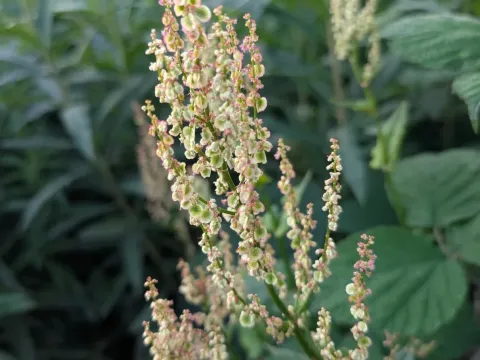
Alpine dock
Rumex arifolius
Alpine dock (Rumex arifolius), belonging to the Polygonaceae family, is a perennial herbaceous plant well-suited for temperate and mountainous environments. Sowing should ideally take place in early spring once soil temperatures reach about 5-8 degrees Celsius, facilitating efficient germination.
What the section contains
Alpine dock
Late autumn sowing is also a viable strategy; seeds are sown shortly before the onset of winter to undergo natural stratification. This method often results in earlier and more uniform seedling emergence once the spring thaw begins.
Seeds should be planted at a shallow depth of 1.5 to 2 centimeters. Maintaining a row spacing of approximately 25-30 centimeters ensures sufficient room for the plant to develop its robust basal rosette of leaves and allows for easier maintenance between rows.
The sowing rate is generally around 0.8–1 gram per square meter. Proper seed-to-soil contact is essential, so light compaction of the soil surface after sowing is recommended to stabilize the seeds and maintain consistent moisture levels during the germination phase.
The plant is highly resilient and frost-hardy, meaning it can establish itself permanently in the garden bed. Due to its perennial nature, the plantation can be productive for several years without the need for annual replanting.
Alpine dock thrives in fertile, humus-rich loamy or sandy-loam soils. It prefers slightly acidic conditions, with an optimal pH range of 4.5 to 6.0, making it an excellent choice for soils that are often too acidic for typical vegetable crops.
This crop is moisture-loving and requires consistent hydration throughout the growing season to produce tender, succulent leaves. Prolonged drought stress can lead to premature bolting, where the plant shifts its energy from leaf production to flower stalk formation.
While it prefers full sun for maximum leaf size and vigor, it is quite tolerant of partial shade, making it versatile for various garden layouts. However, ensure that the chosen site does not suffer from long-term waterlogging, which can damage the roots.
Before planting, incorporating well-rotted organic matter such as compost or manure is highly beneficial. Subsequent nitrogen-rich fertilization after each leaf harvest is crucial to sustain fast regrowth of the foliage throughout the summer.
The plant is naturally adapted to cool environments, demonstrating high resilience to temperature fluctuations. This makes it a reliable crop in regions with shorter growing seasons where more sensitive greens might fail to thrive.
Yield potential is heavily influenced by soil fertility and management practices, particularly moisture control and harvest timing. Under ideal conditions, growers can expect to harvest 3 to 4 times per growing season.
Typical yields range from 1.5 to 3 kilograms per square meter depending on the plant's age and local growing conditions. The most significant productivity is generally seen in the second and third years after the initial establishment of the crop.
Managing the plant to suppress flower stalk formation is a key technique for high yields. By removing flower buds as soon as they appear, the gardener forces the plant to divert nutrients back into leaf development rather than seed production.
Regular fertilization and mulching help maintain high yields by providing the plant with the resources needed for rapid biomass recovery. Organic mulches also serve to suppress weeds and conserve soil moisture during the heat of the summer.
Alpine dock is used primarily for its tart, vitamin-rich leaves, which are prized in soups, sauces, and traditional culinary preparations. It serves as a valuable early-season vegetable that provides fresh greens when few other crops are available.
Common diseases affecting this crop include powdery mildew and rust, especially in damp conditions or areas with poor air circulation. Proper spacing between plants and weed control are essential preventative measures to minimize disease pressure.
Pests such as the dock leaf beetle and aphids are the most significant threats to foliage quality. These insects can quickly damage the leaves, rendering them unappealing for culinary use, so regular monitoring of the plants is required.
Chemical control is generally avoided due to the plant's use as a fresh green; biological controls or manual removal are preferred methods. Using natural repellents, such as soap-based sprays, can effectively manage aphid populations without chemical residues.
Root rot is a risk in soils with poor drainage. Ensuring the site is well-drained and the soil structure is friable helps prevent the development of root-related issues that can severely impact long-term plant health.
Crop rotation remains a fundamental practice to prevent the build-up of soil-borne pathogens. Avoiding sites where other Polygonaceae family members have recently been grown significantly reduces the likelihood of shared disease outbreaks.
Harvesting begins when leaves reach a length of 12-15 centimeters. This stage usually occurs about 4 to 6 weeks after spring growth begins, offering an early source of vitamins that is highly valued after a long winter season.
When harvesting, leaves should be carefully cut at the base, roughly 2-3 centimeters above the soil line, using a sharp, clean knife. Care must be taken not to damage the central heart of the plant, as this is the primary point for new growth.
Freshly harvested dock leaves wilt quickly and should be cooled or processed as soon as possible after picking. For short-term storage, keeping the leaves in a chilled, moist environment within the refrigerator will maintain freshness for several days.
The final harvest of the season should be completed at least a month before the first hard frost. This allows the plant enough time to recover and store sufficient energy in its roots, which is vital for winter survival and rapid growth the following spring.
Proper harvesting techniques ensure not only the quality of the current harvest but also the longevity and health of the perennial stand for subsequent years, maximizing the return on the gardener's efforts.