
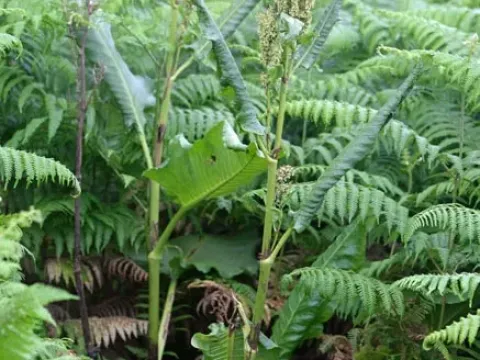
Azorean dock
Rumex azoricus
Azorean dock, botanically known as Rumex azoricus, is a perennial plant that thrives best when sown in early spring. The soil should be well-prepared, loose, and free from perennial weeds to ensure optimal germination and seedling development.
What the section contains
Azorean dock
Seeds are typically sown at a depth of 1 to 2 centimeters in rows spaced 30 to 40 centimeters apart. This spacing is crucial for airflow and mechanical cultivation, which reduces the need for manual labor during the growth cycle.
For uniform germination, it is recommended to maintain constant soil moisture. Using a fine-mist irrigation system during the first weeks after sowing significantly improves the stand density.
Direct seeding in the field is the most common practice, but starting seeds in nursery trays allows for easier transplanting into permanent beds later in the season. This method provides better control over the early development stage.
Once seedlings reach the four-leaf stage, thinning is necessary to ensure each plant has at least 15 centimeters of space. This prevents overcrowding and helps maintain the high quality of the foliage.
As a member of the Polygonaceae family, the Azorean dock requires fertile, well-draining soil with a high organic matter content. It is particularly adapted to cool, moist environments similar to its native habitat on the Azores archipelago.
The ideal soil pH ranges from 6.0 to 7.0. While the plant can tolerate a variety of soil types, it performs significantly better in silty loams that retain moisture without becoming waterlogged during the rainy season.
Regarding climate, the plant prefers temperate conditions with moderate sunlight. In regions with scorching summers, partial shade is beneficial to prevent the leaves from becoming bitter and tough due to heat stress.
Watering requirements are high throughout the growing season. The plant's succulent leaves need consistent hydration; therefore, irrigation should be adjusted based on local precipitation and soil moisture levels.
Fertilization with a balanced NPK fertilizer in the spring promotes vigorous vegetative growth. However, excessive nitrogen application should be avoided as it may lead to weak, prone-to-disease plant tissues.
The primary pest affecting Rumex azoricus is the dock leaf beetle, which feeds on the foliage, often causing extensive damage. Regular scouting is essential to identify early outbreaks and apply appropriate organic treatments.
Fungal diseases, such as leaf rust and powdery mildew, are common in humid conditions with poor ventilation. Ensuring adequate plant spacing is the most effective cultural method to mitigate these risks.
Aphids often target young, tender leaves. Small infestations can be controlled by washing the plants with water or using insecticidal soaps, which are generally safe and effective for leafy greens.
Slugs and snails can also cause significant damage, especially during cool and wet weather. Using physical barriers like copper tape or ash around the base of the plants can help protect the crop.
In cases of severe infection or pest pressure, integrated pest management (IPM) strategies should be implemented, prioritizing biological control methods to maintain the ecological balance of the garden.
Harvesting usually begins 6 to 8 weeks after planting, once the plant has established a healthy rosette of leaves. The leaves are typically cut while they are still young and tender for the best culinary quality.
Care should be taken during the harvesting process to leave the central crown intact. This ensures that the plant continues to produce new leaves throughout the entire growing season.
Depending on the climatic conditions, multiple harvests can be obtained in a single season. After each harvest, it is beneficial to provide the plants with a light application of compost tea or liquid fertilizer.
Harvesting is best performed in the early morning when the leaves are turgid and contain the highest moisture content, which improves their shelf life after being picked.
For those interested in seed production, allow some plants to bolt and flower in their second year. Once the seeds turn brown, they can be collected, dried, and stored in a cool, dark place for the next season.